

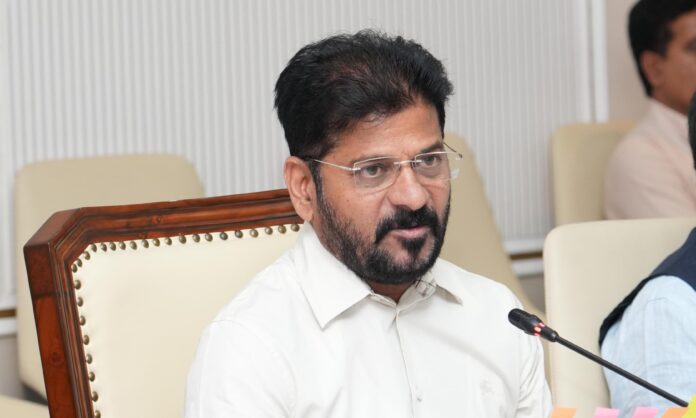
Telangana Chief Minister Revanth Reddy has declared a high alert across the state as heavy monsoon rains batter Hyderabad and its districts, triggering a robust response to avert a potential flood crisis. Directing authorities to maintain constant vigilance, Reddy has prioritized the evacuation of residents from flood-prone zones, especially near rivers and low-lying areas, while ensuring emergency services like the NDRF and SDRF are fully mobilized. The India Meteorological Department (IMD) has forecasted continued downpours, prompting Reddy to oversee a coordinated effort involving police, fire services, and local administration. This proactive stance has galvanized relief operations, though it also prompts scrutiny over the state’s long-term flood readiness.
Monsoon History Shapes Current Response
The strategic context of this alert is shaped by Telangana’s recurring battle with monsoon floods, with Hyderabad’s urban sprawl and districts like Rangareddy facing chronic waterlogging and infrastructure strain. Reddy’s directives draw on lessons from past inundations, emphasizing preemptive evacuations and the deployment of resources to mitigate damage, as the IMD’s warnings signal a prolonged wet spell. The focus on protecting vulnerable populations reflects a shift toward community-centric disaster management, yet the state’s history of overwhelmed drainage systems adds urgency. X posts show a blend of appreciation for Reddy’s leadership and concern over recurring vulnerabilities, highlighting the ongoing challenge of aligning preparedness with reality.
Effects Challenge Community and Economy
The implications of this high alert reverberate across social, economic, and operational spheres. Socially, evacuations aim to safeguard lives, but they risk disrupting communities and overwhelming relief camps, particularly in rural areas. Economically, the rains threaten agriculture and small businesses, with flooded roads and disrupted supply chains impacting livelihoods across districts. Operationally, the sustained response may stretch emergency resources thin, challenging the narrative of a well-prepared administration promoted by officials. The IMD’s forecasts also raise questions about whether current measures can fully address the scale of the flooding, testing the state’s resilience under pressure.
Difficulties Test Emergency Capabilities
Significant challenges emerge as the state confronts this deluge. Operationally, coordinating evacuations and managing water levels in reservoirs demand flawless execution, with potential failures risking loss of life or property. Economically and socially, prolonged flooding could lead to crop failures and business closures, while traffic disruptions on inundated routes heighten public frustration. Policy risks include criticism if relief efforts lag, and the establishment’s portrayal of a proactive government invites skepticism, given past flood management shortcomings. The complexity underscores the need for adaptive strategies, yet limited resources may hinder an effective response.
Possibilities Emerge for Long-Term Solutions
Despite the obstacles, opportunities exist for constructive progress. Socially, the crisis could strengthen community bonds, with local volunteers aiding evacuees and raising awareness if supported by authorities. Economically, recovery efforts might fund infrastructure improvements, such as better drainage, boosting employment and regional stability. Policy-wise, this could prompt investments in advanced weather forecasting and flood-resistant urban planning, enhancing Telangana’s disaster resilience. Innovative measures, like satellite-based flood tracking or public education campaigns, could emerge to address vulnerabilities. Whether this alert sparks lasting reform or offers only temporary relief depends on execution, but it highlights the need for proactive disaster planning.
Resolution Depends on Sustained Effort
Telangana’s high alert under Revanth Reddy’s leadership stands as a critical response to the heavy rains engulfing Hyderabad and its districts, aiming to protect lives and property amid a challenging monsoon. While the mobilization of resources offers hope, the economic and operational strains pose significant hurdles. Amid opportunities for community resilience and policy innovation, the establishment’s narrative of preparedness warrants critical review, given historical flood management gaps. The outcome—whether it mitigates the crisis effectively or exposes deeper weaknesses—rests on the state’s ability to sustain its efforts and address underlying vulnerabilities.