

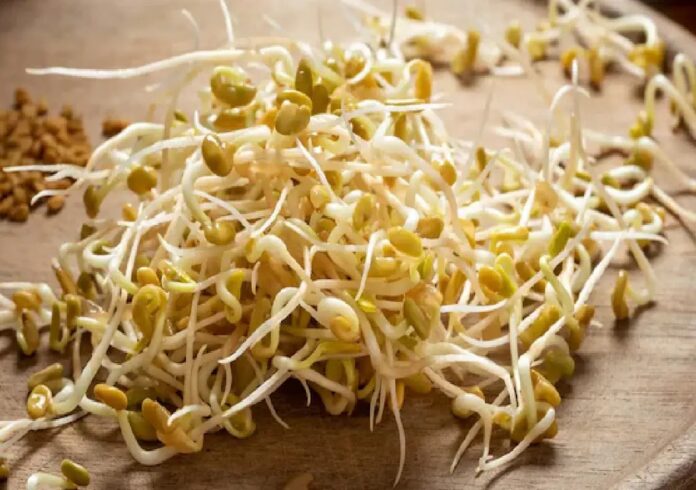
Minnesota: Health officials in Minnesota have warned consumers not to eat certain brands of alfalfa sprouts after an unusual foodborne illness outbreak was linked to products produced by a Minnesota grower.
At least 23 people in Minnesota have fallen ill with infections caused by E. coli or Salmonella, with two patients requiring hospitalisation. Investigators in neighbouring Wisconsin have identified another 18 illnesses associated with alfalfa sprouts, taking the reported total across the two states to 41.
The illnesses have been linked to alfalfa sprouts produced by Everything Sprouts, a Minnesota grower, and sold under the Calco and Everything Sprouts brands, according to Minnesota health officials.
Investigators are working with Wisconsin and federal health authorities to determine the full extent of the outbreak and identify the precise source of contamination.
Multiple strains involved
The outbreak is unusual because several different disease-causing bacteria have been identified among the patients.
Of the Minnesota cases, three people were infected with Salmonella. One of those patients was also infected with a strain of Shiga toxin-producing E. coli (STEC) known as O168:H8.
Seven other patients were infected with STEC O103:H25, while another 13 people were diagnosed with STEC O26:H11.
The presence of multiple bacterial strains has made the investigation particularly notable. Foodborne outbreaks are more commonly associated with a single pathogen or strain.
The investigation is continuing to determine whether all of the illnesses are connected to the same contaminated product or production source.
Sprouts considered a food safety risk
Alfalfa sprouts have previously been associated with foodborne illness because bacteria can be present on the seeds and multiply during the warm, moist conditions used to grow sprouts.
Minnesota health guidance notes that raw vegetable sprouts, including alfalfa sprouts, can carry potentially dangerous Salmonella and E. coli. The state also advises that cooking sprouts can significantly reduce the risk of illness.
The growing process can create conditions that allow bacteria present on seeds to multiply rapidly. Contamination can therefore persist even when the sprouts appear fresh and clean.
This makes raw sprouts a particular concern for people who are more vulnerable to severe foodborne infections.
E. coli can cause serious complications
Shiga toxin-producing E. coli, commonly referred to as STEC, can cause severe gastrointestinal illness.
Typical symptoms can include stomach cramps and diarrhoea, which may sometimes become bloody. In some patients, an STEC infection can develop into haemolytic uraemic syndrome (HUS), a serious complication that can cause acute kidney failure and other severe health problems.
The risk of complications makes prompt medical attention important for people who develop severe symptoms after consuming potentially contaminated food.
Minnesota health authorities have previously highlighted the risks associated with raw sprouts and other foods capable of carrying disease-causing organisms.
Salmonella infections also reported
Three Minnesota patients in the current outbreak were reported to have Salmonella infections.
Salmonellosis can cause diarrhoea, fever, vomiting, dehydration and abdominal cramps. Symptoms can vary in severity, and some infections can require hospital treatment.
The fact that both Salmonella and several STEC strains have been detected in people associated with the outbreak has prompted continued investigation by public health authorities.
Wisconsin cases under investigation
Minnesota officials said investigators in Wisconsin have identified another 18 cases of illness linked to alfalfa sprouts.
Health authorities in the two states are working with federal agencies to establish the source and scope of the contamination.
The investigation will help determine how widely the implicated products were distributed and whether additional illnesses are connected to the same products.
Consumers who may have purchased the affected brands are being urged to follow official health warnings and avoid consuming products identified by authorities.
Why raw sprouts can be difficult to make safe
Sprouts are grown in warm and moist environments that encourage rapid plant growth. Unfortunately, these same conditions can also allow harmful bacteria to multiply if contamination is present.
Minnesota health guidance specifically warns that even sprouts grown under apparently clean conditions can pose a risk because bacteria may already be present on the seed.
This is one reason health authorities have historically treated raw alfalfa sprouts as a food safety concern.
Cooking sprouts thoroughly can significantly reduce the risk because sufficient heat can destroy many harmful bacteria.
Consumers urged to remain cautious
The latest warning underscores the importance of checking food products before consumption, particularly when public health authorities have identified a specific brand or producer in connection with an outbreak.
Consumers should not eat alfalfa sprouts covered by an official recall or health warning. People who have already consumed potentially affected products and subsequently develop severe diarrhoea, bloody stools, significant abdominal pain, fever, vomiting or signs of dehydration should seek medical advice.
Young children, older adults and people with weakened immune systems can be particularly vulnerable to complications from foodborne infections. Minnesota health guidance also identifies raw sprouts among foods that can pose a risk to vulnerable groups.
The investigation remains ongoing as Minnesota, Wisconsin and federal officials work to establish the extent of the outbreak and determine the precise contamination pathway.
With illnesses involving multiple bacterial strains and cases reported across two states, health officials are continuing to monitor the situation closely.