

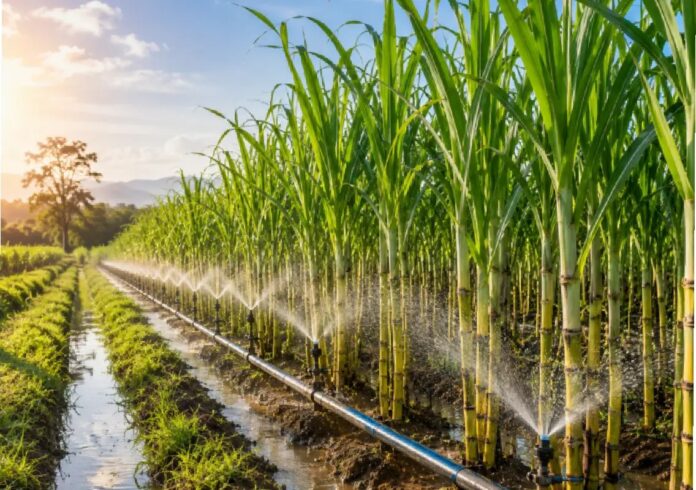
Patna :Sugarcane production in Bihar is expected to decline from the previous crushing season as the area under cultivation has fallen and farmers face weather and pest-related challenges.
According to the Ministry of Agriculture and Farmers Welfare’s Progressive Crop Area Sown Report as of August 21, sugarcane acreage across India declined by 0.43 lakh hectares. Bihar recorded the largest reduction, with its acreage falling by around 0.30 lakh hectares.
The reduction has raised concerns among the sugar industry because lower acreage could affect the availability of cane for crushing in the upcoming season.
Weather and pests add pressure
The crop is also facing unfavourable weather conditions. Lower-than-expected rainfall in some areas, combined with flooding and waterlogging in low-lying regions, could affect crop development.
Farmers are additionally dealing with thrips, an insect pest that damages sugarcane leaves and can weaken plants. These factors together could reduce the quantity and quality of juice extracted from the crop, potentially affecting the sugar recovery rate.
The concerns come against a wider backdrop of crop-related challenges affecting sugar production in India, including disease and excess rainfall. The Centre has nevertheless said that adequate sugar stocks are available to meet domestic requirements until the new crushing season begins.
State sets ambitious production target
Despite the challenges, Bihar’s Sugarcane Industries Department has set a cultivation target of 2,55,081 hectares for 2026–27. The State has also targeted production of 1,74,03,582 tonnes of sugarcane.
The State’s 10 operational sugar mills are expected to crush 809 lakh quintals of sugarcane during the season, with additional cane expected to be used for jaggery production or supplied to mills in neighbouring Uttar Pradesh.
The coming months will therefore be closely watched by farmers, sugar mills and policymakers as weather conditions and crop health determine the final output.