

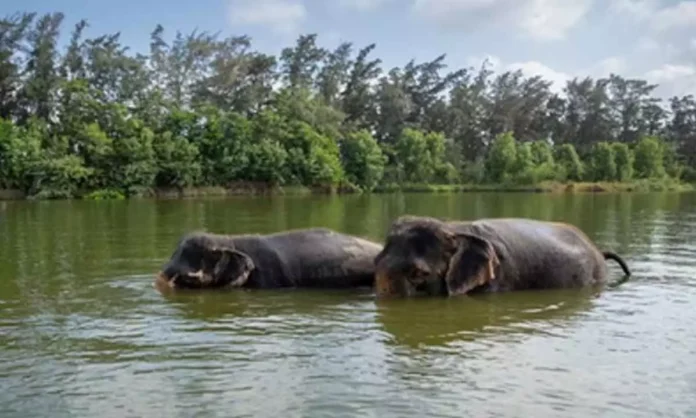
Reliance-owned Vantara has acknowledged the Supreme Court’s appointment of a Special Investigation Team (SIT) following the Mahadevi elephant case, pledging full cooperation. This development marks a significant moment for the wildlife facility, as it navigates legal scrutiny amid public and judicial attention. The commitment reflects Vantara’s intent to address concerns surrounding the case, which has drawn widespread interest. This article explores the context of this acknowledgment, its implications, challenges, and opportunities for the organization and the broader wildlife sector.
Context of the Acknowledgment
Incident Overview
-
Event: Vantara, owned by Reliance, has acknowledged the Supreme Court’s decision to form a Special Investigation Team (SIT) in response to the Mahadevi elephant case.
-
Focus Area: The acknowledgment centers on the facility’s operations, particularly related to the elephant Mahadevi, which has sparked the legal inquiry.
-
Commitment: Vantara has pledged full cooperation with the SIT, signaling a willingness to engage with the investigation process.
Strategic Background
-
Legal Action: The Supreme Court’s formation of the SIT indicates a formal investigation into matters tied to the Mahadevi case, prompting Vantara’s response.
-
Organizational Stance: The pledge of cooperation suggests an effort to maintain transparency and address any concerns raised by the judicial body.
-
Public Context: The case has garnered attention, placing Vantara under scrutiny regarding its wildlife management practices.
Regional Context
-
Wildlife Facility Role: As a Reliance-owned entity, Vantara plays a key role in wildlife care, making its response to the SIT a focal point for stakeholders.
-
Community Impact: The Mahadevi case has likely influenced public perception, necessitating a proactive approach from the organization.
-
Ongoing Development: The investigation process is underway, with Vantara’s cooperation shaping its future trajectory.
Implications of the Acknowledgment
Organizational Impact
-
Reputation Management: Pledging full cooperation may help restore or maintain Vantara’s credibility amid the legal scrutiny.
-
Operational Review: The SIT’s investigation could lead to changes in how Vantara manages its wildlife programs.
-
Legal Standing: Engagement with the court’s process may influence the outcome of the Mahadevi case.
Industry and Ethical Impact
-
Wildlife Standards: The case could set a precedent for ethical wildlife management practices across similar facilities.
-
Industry Oversight: Increased judicial attention may encourage stricter regulations for wildlife conservation efforts.
-
Public Trust: Transparency in cooperation could enhance confidence in private wildlife initiatives.
Social and Environmental Impact
-
Community Response: The acknowledgment may reassure local communities and activists concerned about animal welfare.
-
Environmental Focus: The investigation’s findings could highlight environmental considerations in wildlife care.
-
Safety Measures: Addressing the Mahadevi case may lead to improved safety protocols for animals under Vantara’s care.
Challenges
Operational Hurdles
-
Investigation Burden: Cooperating fully with the SIT may require significant resources, including staff time and documentation.
-
Operational Disruptions: The ongoing inquiry could interrupt normal activities at the facility.
Legal and Ethical Concerns
-
Legal Risks: The investigation’s outcome could result in penalties or operational restrictions if issues are identified.
-
Ethical Scrutiny: Public and judicial focus on the Mahadevi case may raise broader questions about Vantara’s practices.
Public Perception Risks
-
Reputation Damage: Any perceived lack of cooperation or unfavorable findings could harm Vantara’s public image.
-
Stakeholder Pressure: Activists and the public may demand more transparency, increasing pressure on the organization.
Opportunities
Organizational Advancement
-
Policy Improvement: The investigation could lead to enhanced policies and practices, strengthening Vantara’s operations.
-
Resource Allocation: Increased focus on compliance may attract additional funding or support for wildlife efforts.
Sustainability and Innovation
-
Ethical Innovation: Addressing the Mahadevi case could drive the development of new standards for animal welfare.
-
Environmental Leadership: Vantara could position itself as a leader in sustainable wildlife management through proactive changes.
Regional Leadership and Accountability
-
Public Trust Building: Full cooperation could foster greater trust among communities and stakeholders.
-
Legal Precedent: A positive outcome may establish Vantara as a model for wildlife facilities under judicial oversight.