

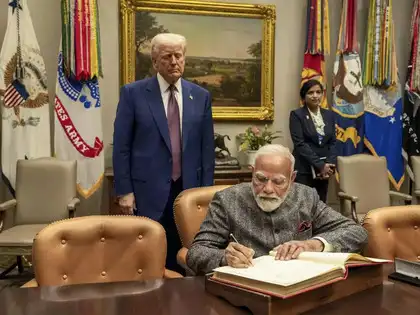
In a notable diplomatic development, former U.S. President Donald Trump has reportedly expressed his desire to speak directly with Indian Prime Minister Narendra Modi before giving his final approval to a long-anticipated India-U.S. trade deal. This move reflects Trump’s characteristic style of hands-on diplomacy and underscores the strategic importance of U.S.-India ties in an evolving global landscape.
The Trade Deal in Question
The India-U.S. trade agreement has been in the making for several years, addressing key concerns in agriculture, tariffs, digital trade, pharmaceuticals, and market access. Negotiations had gained traction during Trump’s presidency and were expected to culminate in a limited trade pact. However, some sticking points remained unresolved, particularly over tariff reductions and data localization.
With Trump now preparing for a potential second term in the White House, there is renewed interest in finalizing aspects of this deal, especially as part of his broader push to rebalance trade relationships with major global partners.
Why a Call with PM Modi?
Sources familiar with the matter suggest that Trump wants to personally reaffirm terms and discuss final concerns with PM Modi before offering his approval. This approach mirrors his past practice—Trump has often emphasized the importance of leader-to-leader conversations, even in highly bureaucratic processes.
The call would likely focus on:
-
Final alignment on trade terms
-
Strategic cooperation in defense and technology
-
Ensuring reciprocity in market access
-
Reinforcing personal rapport between the two leaders
Trump and Modi have shared a publicized diplomatic relationship, with events like “Howdy Modi” and “Namaste Trump” symbolizing a strong personal and political bond.
Strategic Implications
This potential conversation could go beyond trade. It may serve to:
-
Reaffirm India’s role as a key ally in the Indo-Pacific strategy
-
Strengthen economic and technological cooperation
-
Influence U.S. stance on issues like tariffs, visas, and investment restrictions
For India, direct communication with Trump offers a chance to reset priorities and highlight India’s attractiveness as a trade and investment destination, especially amid growing global interest in supply chain diversification away from China.
Challenges Ahead
While a call may help clear diplomatic hurdles, certain technical disagreements remain:
-
The U.S. continues to push for greater access to Indian agricultural and dairy markets
-
India has concerns over data privacy, localization laws, and pharmaceutical pricing caps
-
Disputes around tariff cuts on electronic goods and intellectual property enforcement also linger
Any resolution will require not just top-level talks, but detailed bureaucratic follow-through on both sides.
Donald Trump’s request to speak directly with PM Modi before finalizing the India-U.S. trade deal signals a high-level push to reenergize bilateral ties. If the call takes place, it could mark a significant step toward resolving longstanding trade tensions and laying the foundation for a deeper strategic and economic partnership between the two democracies.