

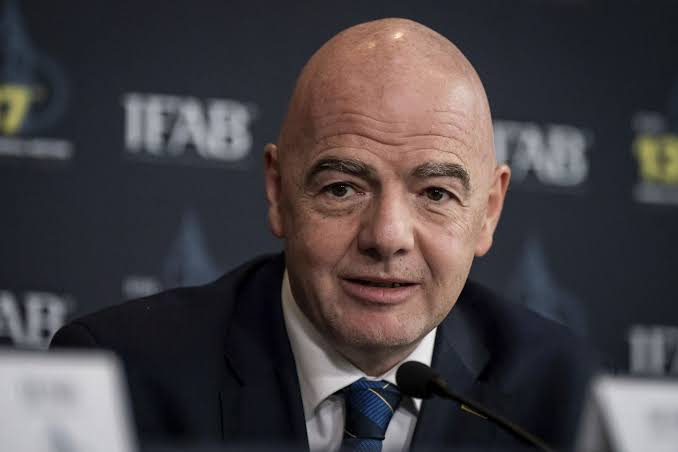
For years, Gianni Infantino has projected an image of absolute control. Since assuming the FIFA presidency in 2016, he has emerged stronger from every challenge, expanded the organisation’s commercial reach and built an extensive network of political support. Critics often joked that there was no constituency powerful enough to threaten him.
That confidence now appears misplaced.
Over the last few months, Infantino has found himself at the centre of a series of controversies that are no longer isolated incidents. Instead, they point to a leadership style increasingly viewed as personalised, politically driven and dismissive of dissent. More importantly, the criticism is no longer coming from familiar opponents. It is emerging from influential football administrators, powerful European clubs and stakeholders who had, until recently, chosen to remain silent.
The most damaging own goal has been Infantino’s increasingly visible association with US President Donald Trump. FIFA has always required political engagement, particularly with the United States hosting the 2026 World Cup. But there is a significant difference between diplomacy and political alignment. Many within football believe Infantino has crossed that line. The decision to associate FIFA with a peace prize presented to Trump has only deepened the discomfort. At a time when FIFA constantly preaches neutrality and inclusivity, the optics could hardly have been worse. Across several confederations, there is growing concern that Infantinois tying the organisation’s image to political leadersrather than protecting its independence.
If that has damaged his standing, his relationship with football’s biggest clubs has deteriorated just as sharply. FIFA’s relentless expansion of the calendar has tested patience to breaking point. The enlarged Club World Cup and continuing discussions around further competitions have convinced many clubs that commercial ambition has overtaken sporting logic. Players are carrying unsustainable workloads, domestic leagues are feeling squeezed and elite clubs have begun pushing back with unusual unity. For perhaps the first time in Infantino’s presidency, the organisations with the greatest influence in world football are openly challenging FIFA rather than quietly negotiating behind closed doors.
The governance questions are arguably even more serious. FIFA promised a new era after the corruption scandals that brought down the previous administration. Transparency, accountability and proper consultation were meant to define the new order. Instead, critics increasingly argue that major proposals are being rushed through with minimal scrutiny and little respect for established processes. Decisions of enormous consequence are perceived to be made by a small inner circle, leaving many member associations and stakeholders feeling excluded from the very organisation they are supposed to govern collectively.
That feeds directly into the most damaging accusation of all: that Infantino is no longer acting primarily in football’s interests but in his own. Many of his recent moves are being interpreted as efforts to strengthen his position ahead of the next phase of his presidency. The perception of growing cronyism has become impossible to ignore, eroding the reformist image that once distinguished him from his predecessors.
“Individuals, unstable moments and unfortunate episodes come and go,” said a memo sent by Mattias Grafstrom, FIFA secretary-general, to the staff earlier this week. “The institution, its mission and its responsibility towards world football continue, and that is why we should always keep our professionalism, sense of perspective and composure.”
He had already referred to Infantino’s commercialisation plan as “sad and reproachable series of events — which were thankfully concluded with the FFE project permanently abandoned”. Few words could be more damning.
Infantino still possesses enormous political capital, and writing his obituary as FIFA president would be premature. But the aura of invincibility has gone. When political allies become liabilities, elite clubs become adversaries, governance becomes a battleground and questions of self-interest begin to overshadow every decision, even the strongest leaders become vulnerable.
For the first time since taking office, Infantino is fighting not just criticism, but a crisis of credibility. And in football politics, credibility is often the first thing a president loses before power follows.
For latest sports updates: Follow RevSportz
The post The Walls Are Closing In on Gianni Infantino appeared first on Sports News Portal | Revsportz.