

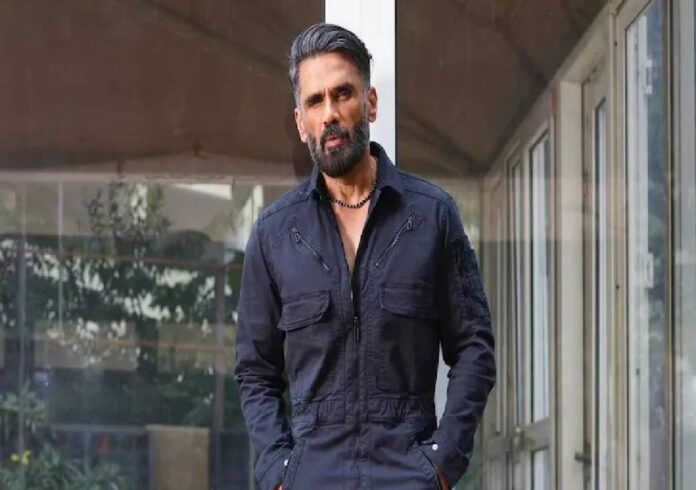
Mumbai: Actor and fitness enthusiast Suniel Shetty has opened up about how recurring headaches led him to discover that gluten and dairy products were not suiting his body. The actor, who turned 65, said he had experienced headaches towards the end of the day and eventually realised that the issue could be linked to his gut and diet.
Shetty discussed his food habits and allergies during an interview with Nikhil Kamath three years ago. The conversation has resurfaced as the actor continues to attract attention for maintaining his fitness well into his 60s. According to Shetty, allergy testing eventually helped him identify gluten as a problem, following which he changed his diet and began working with a nutritionist.
The actor also said that dairy products caused problems because of lactose intolerance. He subsequently switched to lactose-free milk and adjusted his food choices accordingly.
Suniel Shetty links headaches to gut issues
Shetty recalled that he used to experience headaches, particularly towards the end of the evening. He said he eventually connected the problem to a gut issue and began examining whether certain foods were responsible.
As allergy testing became more accurate, he discovered that gluten did not suit him. The actor said his dietary background also played a role in his decision to move away from wheat-based foods and return to rice as his primary carbohydrate source.
Shetty’s experience highlights the importance of identifying individual food sensitivities rather than assuming that a particular diet will work equally well for everyone.
However, food allergies, intolerances and sensitivities are different medical conditions. A person’s reaction to gluten or dairy should be properly evaluated by a qualified healthcare professional rather than diagnosed solely from symptoms such as headaches.
He also discovered problems with dairy
Gluten was not the only food component that Shetty eventually removed from his diet.
The actor said he later realised that dairy products were also causing problems because lactose did not suit him. He switched to lactose-free milk and found that it worked better for him.
Following these discoveries, Shetty said he made substantial changes to his diet and began working with a nutritionist.
Rather than following a highly restrictive diet without professional input, he said he now takes a more measured approach to his food intake and regularly consults experts to understand how different foods affect his body.
Rice is his main source of carbohydrates
One of the most notable changes in Shetty’s diet is his preference for rice over wheat-based foods.
The actor said gluten never worked well for him and connected this with his upbringing in Karnataka, where rice was a more prominent part of his traditional diet. After eliminating gluten, rice became his primary source of carbohydrates.
This does not mean that rice is universally better than wheat. Nutritional needs vary from person to person, and foods that are suitable for one individual may not be suitable for another.
For Shetty, however, choosing rice fits his personal dietary requirements and the way his body responds to different foods.
What Suniel Shetty eats for breakfast
Despite his reputation for maintaining a rigorous fitness routine, Shetty’s diet is not centred exclusively around protein shakes or elaborate fitness foods.
He told Nikhil Kamath that he typically eats three to four egg whites for breakfast because he does not enjoy egg yolks. He pairs them with gluten-free bread or toast.
His food quantities vary depending on his activity levels and plans for the week.
The actor said his daily calorie intake generally ranges from around 1,600 to 1,700 calories, although it can rise to approximately 1,900 calories when he needs additional carbohydrates.
His protein intake comes from foods including eggs, fish and chicken, while rice provides much of his carbohydrate intake.
He does not completely avoid sugar
Shetty’s approach to food also challenges the idea that maintaining fitness requires completely eliminating sugar.
The actor said he consumes sugar in moderation and does not believe in replacing it with artificial sugar substitutes. He prefers fruit or a small amount of regular sugar and continues to enjoy his morning and evening cups of tea.
He estimated that he consumes around 5-6 grams of sugar with his tea.
The larger point in his approach appears to be moderation rather than complete restriction.
Shetty has also said that he enjoys desserts. Instead of eliminating them altogether, he controls his portions. One example he gave was blending seasonal fruit with yoghurt to make a frozen dessert.
His approach to salt is also measured
The actor has a similarly flexible approach to salt.
Shetty said he does consume salt but prefers adding it according to his taste rather than having excessive amounts mixed into his food. He also said he prefers regular salt and does not use pink salt.
His comments reflect his broader philosophy that a healthy diet does not necessarily require eliminating every ingredient considered unhealthy.
Instead, he focuses on quantities, food choices and understanding what works for his body.
Shetty finishes dinner early
Timing is another part of the actor’s lifestyle.
Shetty said he is often finished with dinner by around 7 pm. After eating, he makes an effort to remain physically active, even if he has only 30 minutes available.
His activity does not always involve a conventional workout.
He said he walks after meals, takes the stairs and tries to keep moving while working on film sets instead of remaining seated for long periods.
These habits demonstrate how everyday movement can form part of a fitness routine alongside structured exercise.
Pranayama is part of his routine
Shetty also incorporates breathing practices into his lifestyle.
He said he practises pranayama three to four times a week and performs breathing exercises in the evenings. While he admitted that he could not quantify exactly how much these practices were helping him, he felt that they had contributed to his fitness.
The actor’s routine therefore extends beyond diet and gym-based exercise.
His approach combines food management, regular movement, breathing exercises and professional nutritional advice.
Why gluten-related symptoms can be complicated
Shetty’s experience has renewed interest in gluten-free diets, but experts generally caution against assuming that gluten is responsible for every digestive or neurological symptom.
Gluten is a group of proteins found in wheat, barley and rye. People with conditions such as coeliac disease need to avoid gluten because consuming it can trigger an immune response that damages the small intestine.
Others may have wheat allergy or non-coeliac gluten sensitivity, which are different conditions.
Symptoms can vary considerably and may include digestive problems, fatigue and other complaints. Headaches can have numerous causes, so experiencing them after eating a particular food does not automatically establish a gluten allergy.
Anyone who suspects a food allergy or intolerance should seek medical evaluation before making major dietary changes.
A personalised diet remains central to his fitness
Shetty’s dietary philosophy appears to centre on personalisation.
He said he works with nutritionists and consults experts regularly to understand why particular foods or eating patterns may be affecting him. He also adjusts quantities depending on his physical activity.
This approach is particularly relevant for people attempting to replicate celebrity fitness routines.
A diet that works for a 65-year-old actor with specific food sensitivities, a particular activity level and professional nutritional guidance may not be appropriate for another person.
Instead of copying individual meals, it can be more useful to focus on broader principles such as balanced nutrition, portion control, adequate protein and regular physical activity.
Fitness beyond the gym
Shetty’s routine also demonstrates that fitness does not necessarily depend on spending hours in a gym.
Walking after meals, taking stairs and remaining active throughout the day can contribute to overall movement. His routine also includes pranayama and structured dietary choices.
The actor has previously spoken about fitness as an important part of his lifestyle and has maintained his focus on physical activity for decades.
His latest dietary revelations provide another look at how he has adapted his routine as he has grown older.
What changed after removing gluten and dairy?
According to Shetty, removing foods that did not suit him had a positive effect on his health. He particularly connected his earlier headaches with the gut issues he was experiencing and said he felt better after changing his diet.
He also found that switching to lactose-free milk helped after discovering that lactose was a problem.
However, these are his personal experiences and should not be interpreted as evidence that eliminating gluten or dairy will prevent headaches in everyone.
Food-related symptoms can have many causes, and medical assessment is important when symptoms are persistent or recurring.
Conclusion
Suniel Shetty’s account of his diet offers an insight into how the actor has adapted his lifestyle around his individual nutritional needs. He said recurring evening headaches eventually led him to investigate his gut health and food habits, after which allergy testing showed that gluten was a problem for him. He later discovered that lactose in dairy products also did not suit him.
Today, the actor follows a personalised diet that includes egg whites, fish, chicken, rice and gluten-free foods. He keeps his calorie intake generally between 1,600 and 1,700 calories, increasing it to around 1,900 calories when he needs additional carbohydrates. He also moderates sugar and salt rather than eliminating them completely.
Alongside his diet, Shetty stays active through walking, taking the stairs and remaining mobile during work. He also practises pranayama several times a week.
His experience is a reminder that there is no single diet that works for everyone. While his gluten-free and lactose-free lifestyle may suit his specific needs, people experiencing recurring headaches or suspected food reactions should seek professional medical advice rather than self-diagnosing or eliminating major food groups without guidance.