

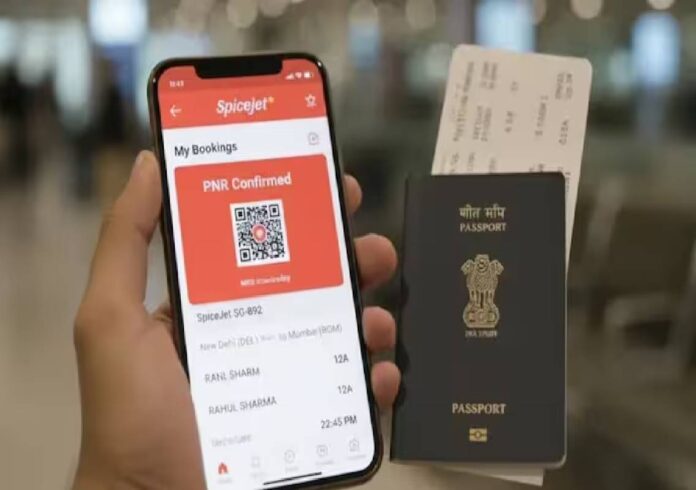
New Delhi: SpiceJet has been fined Rs 1 lakh by the Central Consumer Protection Authority (CCPA) for allegedly using deceptive online design practices, commonly known as dark patterns, on its flight booking platform. The consumer watchdog found that the airline’s booking interface automatically enrolled customers into its loyalty programme and obtained marketing consent through pre-selected checkboxes, practices it said violated consumer protection laws.
The order marks another regulatory action against the use of manipulative digital interfaces that influence consumer choices without explicit consent. The CCPA said such practices undermine informed decision-making and compromise consumer autonomy.
The inquiry was conducted under the supervision of CCPA Chief Commissioner Nidhi Khare and Commissioner Anupam Mishra.
Why was SpiceJet fined?
According to the CCPA, SpiceJet’s online booking platform used pre-ticked checkboxes that automatically enrolled customers into the airline’s SpiceClub Loyalty Programme.
Users completing a ticket booking were also considered to have consented to receiving promotional messages without actively opting in.
The authority noted that after issuing a notice to the airline, SpiceJet removed the original pre-selected loyalty enrolment checkbox but introduced another default checkbox for receiving promotional communications through SMS, WhatsApp and email.
The regulator concluded that these practices continued to obtain customer consent without explicit affirmative action.
Three ‘dark patterns’ identified
The CCPA identified three categories of deceptive design practices on the airline’s booking platform.
Forced action
The authority found that users were automatically enrolled in the SpiceClub Loyalty Programme through a checkbox that was already selected by default.
Consumers had to manually remove the tick if they did not wish to join the programme.
Interface interference
The regulator also flagged what it described as interface interference, where the company’s preferred option was presented as the default selection.
According to the CCPA, such designs subtly influence users into accepting choices they may not have intended to make.
Trick question
The third issue related to the wording of consent requests.
The authority said the booking interface used confusing or negatively phrased language that could mislead users while obtaining consent for promotional communications.
According to the CCPA, these design elements impaired consumers’ ability to make informed choices.
Why are pre-ticked boxes a problem?
The CCPA clarified that consent obtained through pre-selected checkboxes, default settings or misleading interface design does not qualify as valid consent.
Under Indian consumer protection rules, consent must involve a clear and affirmative action by the consumer.
The authority said businesses cannot assume customer approval simply because users failed to untick a default option.
The regulator emphasised that consumers should be able to make free and informed decisions without being influenced by manipulative interface designs.
Which laws did the airline violate?
According to the order, SpiceJet’s practices violated several provisions of the Consumer Protection Act, 2019, including those relating to:
- Unfair trade practices
- Misleading representations
- Unfair contract terms
The CCPA also found the airline in violation of Rule 4(9) of the Consumer Protection (E-Commerce) Rules, 2020, which requires businesses to obtain consumer consent through explicit and affirmative action.
In addition, the authority referred to the Guidelines for Prevention and Regulation of Dark Patterns, 2023, which prohibit deceptive interface designs that manipulate consumer behaviour.
SpiceJet says it was a technical error
During the proceedings, representatives of SpiceJet told the CCPA that the issue arose because of a technical error.
The airline has since been directed to submit an undertaking confirming that the identified issues have been corrected and that similar practices will not recur.
The regulator has not indicated whether any additional action will follow if future violations are detected.
What are dark patterns?
Dark patterns are user interface designs that encourage or manipulate consumers into making decisions they may not otherwise choose.
Common examples include:
- Pre-ticked consent boxes
- Hidden subscription options
- Difficult cancellation processes
- Misleading countdown timers
- Confusing wording that influences consumer choices
India introduced dedicated Dark Pattern Guidelines in 2023 to curb such practices across digital platforms and e-commerce websites.
Regulators have increasingly scrutinised companies that use interface designs capable of misleading consumers or limiting informed consent.
Conclusion
The CCPA’s action against SpiceJet reinforces the growing regulatory focus on ensuring transparent and consumer-friendly digital platforms. By imposing a Rs 1 lakh penalty, the authority has reiterated that consent obtained through pre-ticked boxes or misleading interface designs is not legally valid. The case also serves as a reminder to online businesses that customer consent must always be explicit, informed and freely given.