

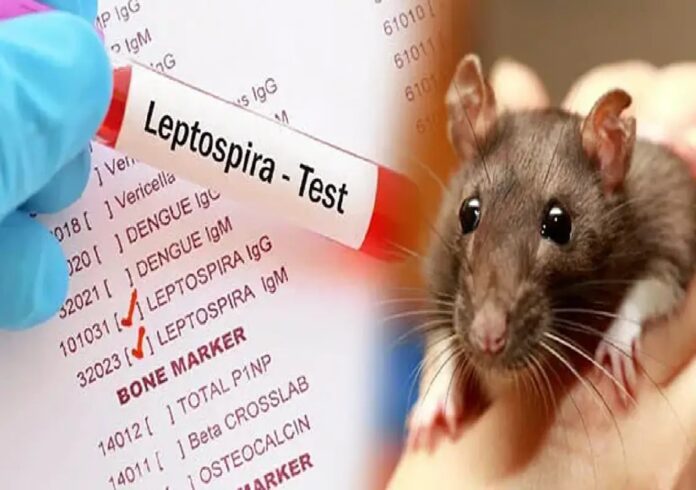
Mangaluru: As the southwest monsoon continues across Dakshina Kannada, health authorities have reported a rise in cases of leptospirosis, commonly known as rat fever, alongside viral fever, dengue, malaria and jaundice. A total of 53 leptospirosis cases have been detected in the district during the past seven months, with many of them reported in recent days, prompting the health department to intensify awareness campaigns.
Officials have expressed concern over the spread of the bacterial disease, particularly as it can initially resemble viral fever or dengue, leading to delays in diagnosis and treatment.
Disease spreading despite relatively milder monsoon
Although Dakshina Kannada has not experienced the same level of heavy rainfall and flooding witnessed last year, health officials say rat fever is spreading across both rural and urban areas.
The risk of infection increases significantly in floodwaters, waterlogged areas, open drains and places with a high rodent population. Urban localities have also begun reporting cases, highlighting the need for increased public awareness during the monsoon season.
The issue was also discussed during the recent District Natural Disaster Management Authority meeting, where officials informed public representatives that the growing rodent population has contributed to the increase in infections.
What causes leptospirosis?
Leptospirosis is a bacterial disease caused by Leptospira, which is commonly spread through the urine of infected rats and certain other animals.
The bacteria contaminate soil and water and can enter the human body through cuts, abrasions or broken skin, as well as through the eyes, nose and mouth, particularly when people walk barefoot in contaminated rainwater or floodwater.
During the monsoon, rodents living in underground burrows often move into buildings after their burrows become flooded. Their urine and droppings mix with stagnant water, increasing the likelihood of infection.
Symptoms often resemble viral fever
Health experts have warned that leptospirosis can easily be mistaken for common viral fever or dengue during the rainy season.
Common symptoms include:
- High fever and chills
- Severe headache
- Redness of the eyes
- Body aches and muscle pain
- Muscle cramps
- Jaundice
- Abdominal pain
- Vomiting
If left untreated, the infection can cause severe damage to the kidneys, liver and lungs, making early diagnosis and medical intervention essential.
Taluk-wise cases in Dakshina Kannada
According to health department data available up to the end of June 2026, the district has recorded 53 cases of leptospirosis.
The taluk-wise distribution is:
- Mangaluru: 20 cases
- Bantwal: 14 cases
- Beltangady: 9 cases
- Puttur: 7 cases
- Sullia: 3 cases
Officials noted that the district has consistently reported a high number of cases over the past few years.
In 2025, Dakshina Kannada recorded 265 cases, comprising:
- Mangaluru – 128
- Bantwal – 52
- Beltangady – 45
- Puttur – 26
- Sullia – 14
In 2024, the district reported 283 cases, including:
- Mangaluru – 138
- Bantwal – 63
- Beltangady – 45
- Puttur – 22
- Sullia – 15
The figures indicate that leptospirosis remains a recurring public health concern during the monsoon.
Health department issues preventive advisory
To reduce the risk of infection, health officials have urged residents to follow basic preventive measures during the rainy season.
These include:
- Avoid walking barefoot in rainwater or floodwater.
- Wear rubber boots and protective gloves while working in waterlogged areas.
- Prevent open wounds from coming into contact with contaminated water.
- Drink only boiled and cooled water.
- Take measures to control rodents in and around homes.
- Seek medical attention immediately if fever develops after exposure to floodwater.
Officials have also advised against self-medication, stressing that laboratory tests may be required to distinguish leptospirosis from dengue, malaria and viral fever.
Early treatment can save lives
Medical experts emphasised that leptospirosis is completely treatable if diagnosed early.
They cautioned that ignoring symptoms or delaying treatment can result in serious complications affecting multiple organs and may become life-threatening.
Doctors have advised people who develop fever after exposure to floodwater, stagnant water or potentially contaminated environments to consult a healthcare professional without delay.
With the monsoon expected to continue in the coming weeks, the health department has appealed to the public to remain vigilant, maintain hygiene and seek timely medical care to prevent severe illness and contain the spread of rat fever across the district.