

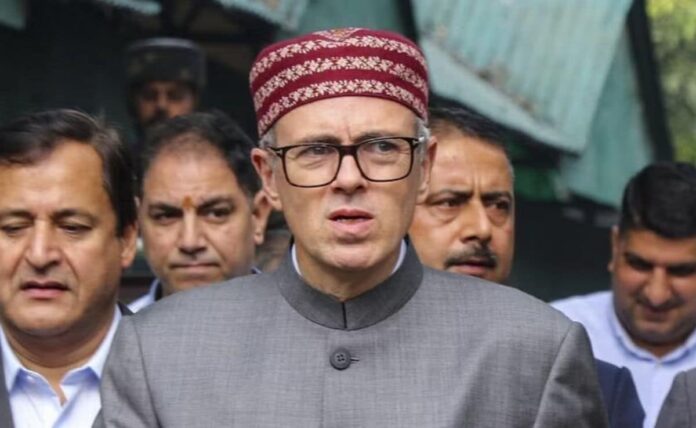
The Omar Abdullah-led government in Jammu and Kashmir, formed in the wake of the 2009 state assembly elections, quickly found itself confronting its first significant electoral challenge. As the young Chief Minister sought to consolidate his administration, the political landscape was complicated by both internal party dissent and emerging opposition, signaling that governance in the region would not be a straightforward affair.
Omar Abdullah, scion of the Abdullah political dynasty and leader of the National Conference (NC), assumed office with high expectations. His leadership promised a blend of continuity and reform, aiming to balance the aspirations of Jammu and Kashmir’s diverse populace. However, the euphoria surrounding his rise was tempered by the realities of coalition politics and the presence of entrenched local power structures.
The first major test came in the form of by-elections and local body polls, which were seen as a litmus test for public support of the Abdullah government. In these elections, the government faced not only the standard opposition from parties like the People’s Democratic Party (PDP) and the Congress but also challenges from within. Reports of rebel candidates—disgruntled politicians contesting against their party nominees—emerged as a significant concern. Such defections threatened to fragment the vote base and potentially undermine the authority of the NC leadership.
The rift within the government and party ranks was particularly visible in areas where local leaders felt marginalized or overlooked in candidate selection. These internal tensions were compounded by policy challenges, including issues of development, unemployment, and governance, which opponents were quick to highlight. Critics argued that the Abdullah government, despite its fresh mandate, had yet to demonstrate decisive action on pressing regional concerns.
Political analysts noted that the combination of a rebel challenge and factional rifts tested both Omar Abdullah’s administrative skills and his capacity to maintain party discipline. The outcome of these early electoral contests was seen as indicative of the government’s ability to navigate complex coalition dynamics and retain popular support. Success would not only validate Abdullah’s leadership but also reinforce the NC’s credibility in managing Jammu and Kashmir’s unique political and social challenges.
Despite the hurdles, the Abdullah government’s approach emphasized dialogue and outreach. Efforts were made to engage local stakeholders and address grievances, reflecting a strategy that sought to combine electoral pragmatism with long-term governance goals. Yet, the presence of rebels and internal dissent underscored a perennial reality of J&K politics: maintaining unity within party ranks was as critical as winning public approval.
In conclusion, Omar Abdullah’s early tenure as Chief Minister was immediately tested by both external opposition and internal party rifts. The combination of a rebel challenge and electoral scrutiny highlighted the fragile balance between leadership authority and political accommodation. How the government responded to this test would set the tone for Abdullah’s administration, influencing public perception and shaping the trajectory of Jammu and Kashmir politics in the years to follow.