

New Delhi: Protein has become a regular part of the diet for many Indians, with nearly one in two consumers now including it in every meal. However, despite growing awareness about nutrition, a large majority remain unsure about their actual protein requirements and the information available on the subject, according to a new report.
The report, titled “India’s Protein Paradox”, was released by PulseAI Research, the consumer intelligence and insights division powered by Smytten. It surveyed 2,000 consumers across India to understand changing protein consumption habits, dietary preferences and nutrition-related decision-making.
Protein awareness is on the rise
The study found that protein is no longer viewed solely as a nutrient for athletes or fitness enthusiasts.
Nearly 50 per cent of respondents said they consciously include protein in every meal, while 41 per cent actively track or estimate their daily protein intake.
In addition, almost one in two consumers said they regularly check nutrition labels before purchasing packaged food products, indicating growing awareness about healthy eating.
According to the report, Indian consumers are becoming increasingly involved in making informed food choices, but this growing engagement is not always supported by adequate nutritional knowledge.
Confusion remains widespread
Despite monitoring their diets, 93 per cent of consumers who actively track protein intake admitted they remain uncertain about protein-related information.
The report noted that many people believe they understand their protein needs, but their actual eating habits often suggest otherwise.
Researchers said this reflects a significant gap between perceived knowledge and real dietary behaviour, making protein one of the most misunderstood nutrients among Indian consumers.
Different perceptions of protein
The report found that there is no single understanding of protein among Indian consumers.
While many associate protein with muscle building, strength training and fitness, others view it primarily as essential for maintaining overall health and well-being.
Consumers increasingly rely on self-research, online information, personal experiences and lifestyle goals while making dietary decisions rather than following a universally accepted understanding of nutritional requirements.
Traditional food still preferred
Although protein supplements have gained popularity in recent years, traditional food sources continue to dominate consumer preferences.
Around 50 per cent of respondents said they believe natural foods are a better source of protein than supplements.
Interestingly, only 19 per cent said they seek advice from doctors or nutritionists regarding protein intake, suggesting that most consumers prefer to make nutrition decisions independently.
Affordability not a major concern
Contrary to common assumptions, the report found that cost is not the biggest obstacle to increasing protein consumption.
More than 71 per cent of respondents considered protein either affordable or only slightly expensive.
Among consumers who struggle to understand their daily protein requirements, 67 per cent said they preferred affordable and easily accessible protein options. Others expressed a need for clearer product labelling, educational content, expert guidance and personalised nutrition advice.
Plant-based proteins remain important
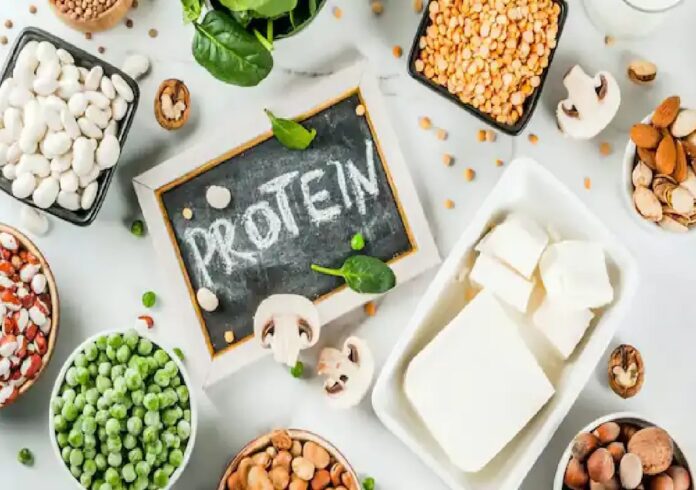
The report also highlighted the continued importance of plant-based protein sources in Indian diets.
Even among non-vegetarians, 31.4 per cent said they regularly consume plant-based proteins such as pulses and nuts.
For vegetarians, dairy products, pulses and nuts remain the primary sources of dietary protein.
These findings indicate that traditional Indian foods continue to play a central role in meeting daily protein needs despite the increasing availability of supplements and fortified products.
Need for better nutrition education
Commenting on the findings, Shishir Varma, CEO of PulseAI Research, said the protein category in India reflects a unique contradiction where consumers are increasingly conscious about protein but remain uncertain about whether they are consuming enough.
The report concludes that improving nutrition literacy through better education, transparent product information and expert-backed guidance could help consumers make more informed dietary choices and bridge the gap between awareness and understanding.