

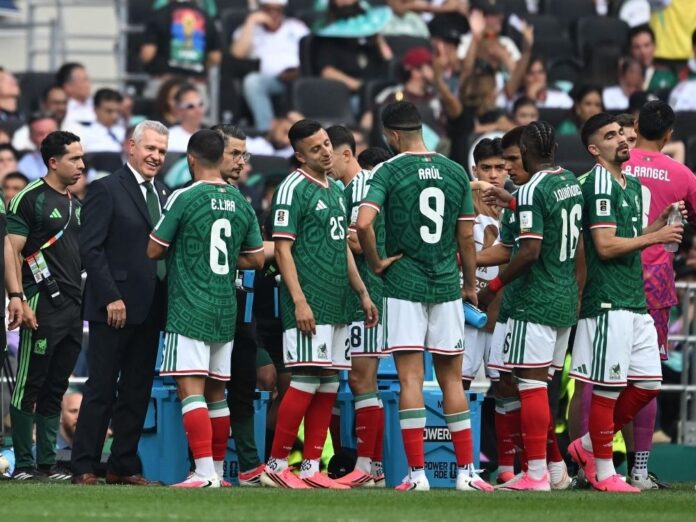
The hydration breaks introduced at the 2026 FIFA World Cup were intended to protect players from the intense summer heat across the United States, Canada and Mexico. Instead, they have become one of the tournament’s biggest talking points.
Twenty-two minutes into each half, referees stop play for a mandatory three-minute drinks break. FIFA says the measure is necessary to help players cope with extreme temperatures and humidity. Critics, however, believe these stoppages are doing far more than simply allowing players to rehydrate.
Several coaches and former players argue that the breaks are changing the rhythm of matches and, in some cases, influencing results.
The clearest example came during Brazil’s opening match against Morocco at MetLife Stadium. Brazil were trailing 1-0 and struggling to impose themselves when the first-half hydration break arrived. Moments later, Carlo Ancelotti gathered his players, delivered instructions and made tactical adjustments.
Six minutes after play resumed, Vinicius Jr produced a brilliant equaliser.
Ancelotti himself admitted that the break provided an opportunity to address problems on the pitch.
“You can explain a problem to the players,” the Brazil coach said afterwards. “You can make a tactical adjustment that can be very effective.”
Brazil were not alone.
Canada equalised against Bosnia and Herzegovina shortly after a second-half hydration break when substitute Cyle Larin found the net. Scotland scored the decisive goal against Haiti soon after a stoppage, while Australia also struck following a drinks break in their 2-0 victory over Turkey.
Those incidents have strengthened the argument that hydration breaks are becoming tactical timeouts.
United States head coach Mauricio Pochettino is among those unconvinced by the system.
“I don’t like it,” Pochettino said. “I only like it when the conditions are extreme. But when the conditions are good, it is unnecessary.”
Former Spain midfielder Juan Mata, a World Cup winner in 2010, also questioned the impact on the flow of matches.
“As a player, I don’t think it’s great,” Mata said. “When you’re losing, you want to score, and when you’re winning, you want to keep the ball. I think they break the momentum.”
The controversy has extended beyond the touchline.
During the tournament opener between Mexico and South Africa, American broadcaster Fox returned late from a commercial break after play had already resumed. FIFA regulations allow advertisements during hydration breaks but require broadcasters to return to live coverage before the match restarts.
The incident fuelled suspicions that the stoppages are serving commercial interests as much as player welfare.
Former Liverpool manager Jurgen Klopp has been one of the most outspoken critics. Speaking to German broadcaster ZDF, Klopp argued that football is increasingly being shaped by television demands.
“Football is being held hostage by executives ensconced in air-conditioned offices,” Klopp said. “When I saw the players just standing there during a heat break while television timeouts dictated the rhythm of the match, I couldn’t help asking myself: who does the World Cup really serve? The fans? The players? Or the advertisers?”
Klopp went even further, claiming the interruptions damage the natural flow of the sport.
“A World Cup match should flow like a river. Instead, we build dams right in the middle so commercials can get through.”
FIFA continues to defend the policy, insisting the breaks are based on medical advice and lessons learned from previous tournaments played in hot conditions.
Yet after just a few days of action, the debate is no longer solely about hydration. As goals continue to arrive shortly after these stoppages and coaches use them to reshape matches, the drinks breaks are increasingly looking less like welfare measures and more like tactical turning points.
For more updates on the FIFA World Cup 2026, follow RevSportz
The post Momentum Breakers How Hydration Breaks Are Influencing Matches at the World Cup appeared first on Sports News Portal | Revsportz.