

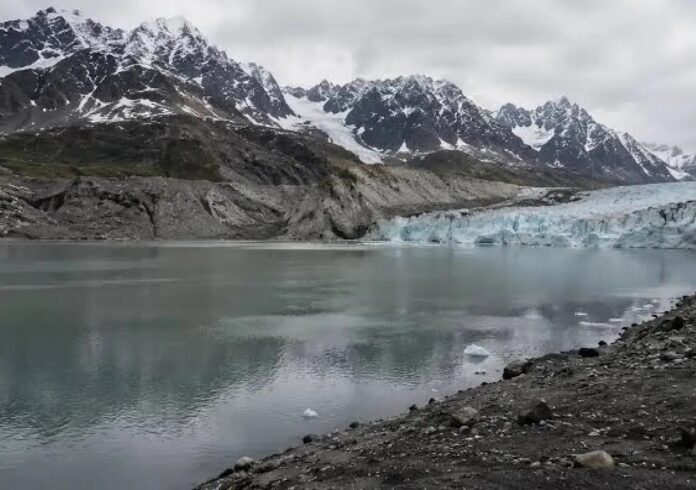
New Delhi: India is strengthening its preparedness against Glacial Lake Outburst Floods (GLOFs), with a high-level panel working on disaster mitigation measures for around 200 high-risk glacial lakes across the Himalayan region. The renewed focus follows the devastating flash floods in Nepal, which have highlighted the growing risks posed by unstable glaciers and glacial lakes.
India has thousands of glacial lakes
Government surveys have identified around 7,500 glacial lakes across the Himalayan ranges. About 10% of them are located in Sikkim, while the Ganga river basin alone has more than 4,700 glacial lakes spread across a vast Himalayan catchment.
Of the lakes identified as high-risk, 25 of the most vulnerable are in Sikkim, making the northeastern State a major focus of disaster preparedness efforts.
Sikkim disaster remains a warning
India has already experienced the devastating consequences of a GLOF. In October 2023, the collapse of glacial rocks into South Lhonak Lake in Sikkim generated a massive displacement wave, destroying hydropower infrastructure and settlements downstream.
Following the disaster, the Centre established a high-level coordination committee to strengthen GLOF risk reduction and improve coordination between agencies.
Nepal floods raise fresh concerns
The latest disaster in Nepal has added urgency to these efforts. Scientists believe the catastrophic flooding along the Nepal-Tibet border was triggered by a glacier collapse and subsequent debris flow. The event caused widespread destruction and left hundreds dead and many more missing.
Experts say warming temperatures, glacier retreat and unstable mountain terrain are increasing the vulnerability of Himalayan communities to floods, landslides and other glacier-related hazards.
For India, the work around high-risk glacial lakes is therefore not only about responding to disasters but also about monitoring vulnerable areas, improving early-warning systems and protecting communities and critical infrastructure downstream.