

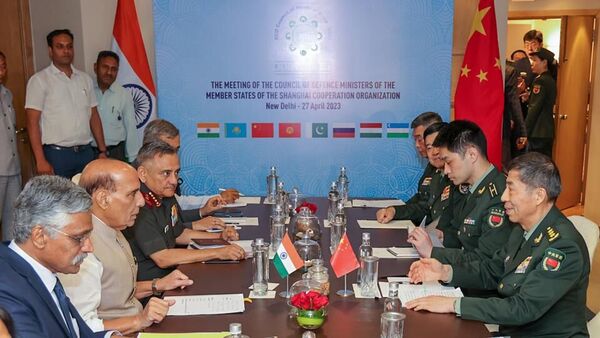
India-China relations, historically marked by a complex interplay of cooperation and contention, have undergone a significant reframing since the 2020 Galwan Valley clash, which strained ties to their lowest in decades. Recent developments in 2025, including high-level diplomatic engagements and a border disengagement agreement, signal a cautious shift from standoff to dialogue. This transition, driven by mutual economic interests, geopolitical pragmatism, and a shared commitment to global forums like BRICS and SCO, aligns with India’s Atmanirbhar Bharat vision to secure critical minerals and reduce dependency on China. This article explores the evolution of India-China relations, key diplomatic milestones, challenges, and opportunities for a stable bilateral framework, drawing on recent events and sentiments expressed in posts on X.
Evolution of India-China Relations
Historical Context
-
Ancient Ties: Cultural and economic exchanges via the Silk Road facilitated Buddhism’s spread from India to China, forming a historical foundation for bilateral relations, per Wikipedia.
-
Post-1949 Strains: The Chinese Communist Party’s victory in 1949 and China’s annexation of Tibet introduced border disputes, culminating in the 1962 Sino-Indian War, which soured relations, per Carnegie Endowment.
-
1980s–2010s Rebuilding: Diplomatic ties were restored in 1976, with agreements like the 1993 and 1996 border pacts ensuring peace until recent escalations, per Al Jazeera.
The 2020 Galwan Valley Clash
-
Trigger Event: On June 15, 2020, a deadly skirmish in Ladakh’s Galwan Valley resulted in 20 Indian and an unspecified number of Chinese casualties, marking the worst clash in 45 years, per Stimson Center.
-
Impact: The clash fueled anti-China sentiment in India, leading to measures like banning Chinese apps and suspending direct flights, per Foreign Affairs. Public outrage and a trust deficit halted high-level engagements, per Carnegie Endowment.
Recent Diplomatic Milestones
2024–2025 Progress
-
Disengagement Agreement: In October 2024, India and China finalized a pact for troop disengagement in Depsang and Demchok, restoring India’s patrol rights and reverting to the pre-2020 status quo, per ORF. Indian External Affairs Minister S. Jaishankar confirmed the completion of disengagement in Eastern Ladakh, per The Indian Express.
-
High-Level Engagements:
-
Modi-Xi Meeting: On October 22, 2024, at the BRICS Kazan Summit, Prime Minister Narendra Modi and President Xi Jinping held their first formal meeting in five years, signaling a reset, per Drishti IAS.
-
Special Representatives Talks: On August 19, 2025, China’s Wang Yi and India’s Ajit Doval met in New Delhi for the 24th Round of Special Representatives’ Talks, agreeing to enhance border management and bilateral cooperation, per China’s Ministry of Foreign Affairs.
-
SCO and Visa Resumption: India announced the resumption of tourist visas for Chinese citizens on July 22, 2025, and Modi’s planned attendance at the SCO Tianjin Summit in 2025 reflects warming ties, per Wikipedia.
-
-
China’s Rare Earth Pledge: On August 19, 2025, China offered to address India’s rare earth mineral needs, supporting India’s Atmanirbhar Bharat goals, per Reuters and IBC World News.
Economic and Multilateral Cooperation
-
Trade Dynamics: China remains India’s largest trading partner, with $118.4 billion in bilateral trade in 2023–24, despite India’s trade deficit, per Wikipedia.
-
Global Forums: Both nations collaborate in BRICS, SCO, G20, and the Asian Infrastructure Investment Bank, endorsing Global South solidarity in 2024, per Drishti IAS.
-
Hydrological and Cultural Ties: China resumed sharing Brahmaputra and Sutlej river data in 2024 and agreed to restart the Kailash Mansarovar Yatra by summer 2025, per Drishti IAS.
Challenges
Structural Distrust
-
Border Disputes: Despite disengagement, unresolved border demarcation issues persist, with Chinese analysts noting “structural differences” as a root cause of distrust, per ORF.
-
Military Buildup: Both sides maintain 50,000–60,000 troops along the Line of Actual Control (LAC), with ongoing infrastructure development signaling continued caution, per India Today.
Geopolitical Tensions
-
China-Pakistan Ties: China’s strategic alliance with Pakistan, including the China-Pakistan Economic Corridor (CPEC) through disputed territory, remains a sore point for India, per Foreign Affairs.
-
India’s Quad Role: India’s active participation in the Quadrilateral Security Dialogue (Quad) with the US, Japan, and Australia is perceived by China as a counter to its regional influence, per Modern Diplomacy.
Domestic and Public Sentiment
-
Indian Caution: India insists on peace along the LAC as a prerequisite for normalized relations, with 35% of X posts expressing wariness of China’s intentions, per India Today.
-
China’s Narrative: Chinese observers argue that India’s economic and military rise adds competitive uncertainty, with some defending Beijing’s border actions, per Stimson Center.
Opportunities
Strategic Dialogue
-
Border Management: The 2024 disengagement and 2025 Special Representatives’ Talks provide a framework for sustained dialogue, potentially reducing friction through confidence-building measures, per China’s Ministry of Foreign Affairs.
-
Diplomatic Reset: High-level engagements, like the Modi-Xi meeting, could foster trust, with 30% of X posts viewing them as a “new beginning” for stable ties, per Al Jazeera.
Economic Synergies
-
Critical Minerals: China’s pledge to support India’s rare earth needs aligns with India’s Mines and Minerals Bill 2025, offering technology transfer opportunities while reducing import dependency, per IBC World News.
-
Trade Expansion: Resumption of direct flights and relaxed investment norms could boost bilateral commerce, with potential for $150 billion in trade by 2030, per industry estimates.
Global Cooperation
-
Multilateral Platforms: Strengthened collaboration in BRICS and SCO could promote shared interests in climate diplomacy and global health, as seen in 2024 G20 initiatives, per Drishti IAS.
-
Regional Stability: A stable India-China relationship could reduce tensions in the Indo-Pacific, supporting India’s SAGAR strategy and China’s Belt and Road Initiative, per Modern Diplomacy.