

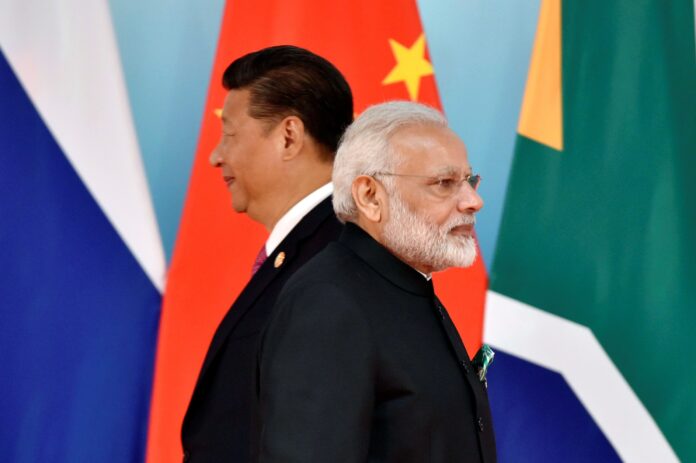
India and China are cautiously working toward recalibrating their strained bilateral ties, signaling a mutual desire to stabilize relations after years of military and diplomatic standoff. While both nations have resumed high-level diplomatic dialogues, the efforts are marked by measured rhetoric and strategic restraint, especially in light of the unresolved border issues in eastern Ladakh.
This tentative reset comes as both New Delhi and Beijing face pressing economic and geopolitical challenges that make de-escalation and dialogue increasingly necessary.
Border Disputes Still a Major Obstacle
The Line of Actual Control (LAC) continues to be the central sticking point in India-China ties. Despite multiple rounds of corps commander-level talks and diplomatic engagements, complete disengagement has not been achieved in all friction areas.
India has made it clear that normalcy in broader ties depends on peace along the border, while China insists that both sides should not allow the boundary dispute to dictate the overall relationship. The difference in approach reflects underlying mistrust, even as both sides continue negotiations.
Recent Diplomatic Engagements Signal Pragmatism
In recent months, both countries have taken steps to restore communication channels, including high-level meetings between foreign ministry officials. Indian External Affairs Minister S. Jaishankar and Chinese Foreign Minister Wang Yi have repeatedly emphasized the need for respect, sensitivity, and mutual interests in managing the relationship.
The recent engagements have focused on:
-
Expanding trade and economic cooperation
-
Enhancing border confidence-building measures
-
Avoiding public escalations during diplomatic or military talks
-
Preventing incidents along the LAC from spiraling into larger crises
Strategic Caution on Both Sides
While both nations have not ruled out a reset, they are approaching it with strategic caution. India remains wary of China’s assertiveness in the Indo-Pacific, economic dependencies, and deepening ties with Pakistan. China, on the other hand, views India’s growing strategic alignment with the United States, Quad, and other Western blocs as a challenge to its influence in Asia.
This has led to a policy of parallel engagement—where cooperative sectors like trade, environment, and multilateral forums remain active, while contentious issues like the border are handled separately through sustained but slow-moving dialogues.
Economic and Geopolitical Realities Push for Stability
With both countries facing economic headwinds—India trying to boost manufacturing and exports, and China managing post-COVID economic recovery and global trade shifts—there is a shared incentive to prevent further escalation. Additionally, global instability and regional security concerns, including the situations in the Middle East and Ukraine, have added pressure to maintain diplomatic composure.
Experts suggest that neither side currently seeks full normalization, but both are exploring a functional, issue-based engagement model that could reduce risks without resolving all core disputes.
A Relationship Requiring Deliberate Management
India and China’s relationship is expected to remain tense but manageable, shaped by strategic calculations, domestic imperatives, and global alignments. The road to full restoration of trust may be long and uncertain, but both sides appear committed to preventing a complete breakdown.
As diplomatic channels stay open and high-level meetings continue, cautious optimism surrounds this phase of pragmatic re-engagement—a calculated effort to coexist, even without full consensus.