

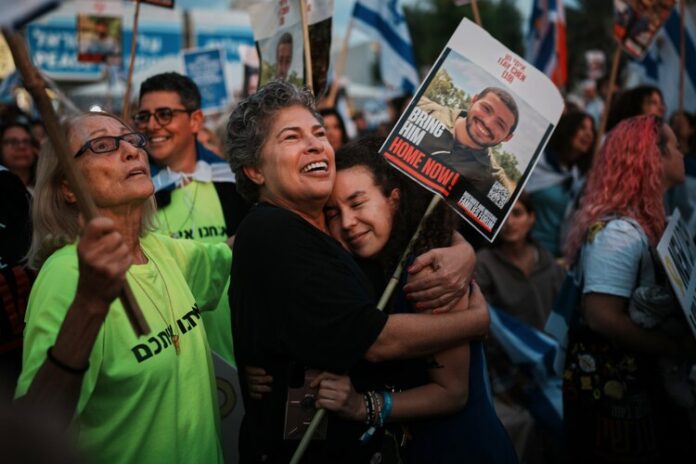
In a major development signaling the first tangible step toward de-escalation, Hamas has handed over the first group of seven hostages to the International Committee of the Red Cross (ICRC) as part of the recently brokered ceasefire agreement in Gaza. Israeli authorities confirmed the release on Sunday evening, calling it a “positive but cautious beginning” to what is expected to be a phased exchange between the warring sides.
The First Transfer Under the Ceasefire Deal
According to official statements from Israel, the seven hostages — including women and elderly individuals — were handed over to Red Cross representatives inside Gaza before being transported to Egypt’s Rafah border crossing for medical assessment and identification. From there, they are expected to be taken to Israel for reunification with their families and further evaluation.
The release marks the first concrete implementation of the temporary truce negotiated with international mediation involving Egypt, Qatar, and the United States. The deal reportedly includes the gradual release of hostages in exchange for a temporary halt in hostilities, the entry of humanitarian aid into Gaza, and the possible release of a number of Palestinian detainees from Israeli prisons.
Israel Confirms, But Stays Wary
Israeli officials have confirmed the successful handover but emphasized that full trust will only follow once all stages of the ceasefire are upheld. “We welcome the safe return of our people,” said an Israeli government spokesperson. “However, Israel remains vigilant. Hamas must fulfill all terms of the agreement before any extension of the ceasefire is considered.”
The Israeli Defense Forces (IDF) have reportedly paused operations in designated areas to facilitate the safe transfer of hostages and humanitarian supplies. Still, Israeli military sources warned that any violation of the ceasefire by Hamas or affiliated groups could prompt an immediate response.
Hamas Signals Compliance, But With Conditions
Hamas, in a brief statement, said the release was “in line with the humanitarian ceasefire agreement” and accused Israel of past violations that undermined trust in such arrangements. The group maintained that further releases would depend on Israel’s adherence to the agreed terms — particularly the continued delivery of fuel, food, and medical aid into Gaza.
Hamas also reiterated that it views the truce as “temporary,” stressing that its political demands, including the lifting of the Gaza blockade and prisoner exchanges, remain unresolved.
International Reactions and Humanitarian Relief
Global powers have cautiously welcomed the development. The United Nations and several Western nations hailed the move as a sign of potential progress toward broader peace efforts, even as they warned of the fragility of the ceasefire.
U.S. Secretary of State Antony Blinken praised the role of mediators and said Washington “will continue to work with partners to ensure the release of all hostages and sustained humanitarian access.”
On the ground, the Red Cross confirmed its involvement in facilitating the safe passage of hostages, stating, “Our role is strictly humanitarian — to ensure the humane treatment and safe handover of all individuals as agreed by both parties.” The organization also renewed calls for all sides to respect international humanitarian law and protect civilians.
A Moment of Relief Amid Deep Pain
For families of those freed, the news has brought immense relief after weeks of anguish. Emotional scenes were reported outside hospitals and military bases where the released hostages were expected to arrive. However, hundreds more remain in captivity, and their fate continues to weigh heavily on public sentiment in Israel.
Meanwhile, in Gaza, the ceasefire has allowed short-term respite for civilians after weeks of intense bombardment. Aid trucks carrying food, fuel, and medical supplies have begun entering the enclave, but humanitarian agencies warn that the needs remain overwhelming.
Conclusion: A Fragile Step Toward Calm
The handover of the first seven hostages marks a rare moment of hope in an otherwise unrelenting conflict. While both Israel and Hamas have expressed conditional commitment to the ceasefire, the coming days will test whether this limited truce can evolve into something more durable.
For now, the gesture has opened a narrow but vital window — one that could either pave the way for a broader peace initiative or close abruptly if mistrust and violence return. The world watches anxiously, hoping that this fragile exchange will be remembered not as a fleeting pause, but as the first step toward ending years of bloodshed and suffering on both sides.