

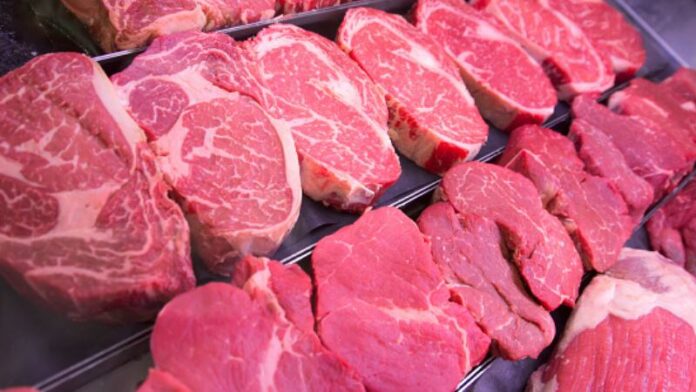
India’s food industry is undergoing a monumental transformation, sparked by the largest and most comprehensive meat safety drive in the nation’s history. This initiative, led by the Food Safety and Standards Authority of India (FSSAI), is not merely a series of inspections; it is a systemic effort to overhaul the entire meat supply chain, from the farms where animals are raised to the kitchens where the final product is prepared. For decades, the sector has been plagued by a lack of regulation, contributing to widespread public health concerns. This new drive represents a decisive shift toward establishing a formal, hygienic, and accountable framework.
The Unregulated Legacy and its Dangers
The need for such a drastic intervention is rooted in the long-standing challenges of India’s meat market. A vast majority of the meat consumed in the country comes from the informal sector, where traditional practices often fall short of modern hygiene standards. Unregulated slaughtering, often conducted in unsanitary conditions, poses a significant risk of bacterial contamination. Furthermore, the absence of a robust cold chain for transportation and storage means that meat is frequently exposed to high temperatures, accelerating spoilage and the growth of harmful pathogens. These conditions have contributed to a high incidence of foodborne illnesses and have raised alarms about the rise of antimicrobial resistance due to the unchecked use of antibiotics in animal husbandry.
A Multi-Pronged Enforcement Strategy
The FSSAI’s campaign is distinguished by its holistic approach. Rather than sporadic enforcement, the drive combines stricter regulatory measures with a focus on education and infrastructure development. State food safety departments are conducting unannounced, rigorous inspections of everything from small local butcher shops to large-scale processing facilities. These checks are designed to ensure mandatory licensing and registration for all meat businesses, a critical step in bringing the informal sector into a regulated fold. Inspectors are focusing on several key areas, including the use of potable water for cleaning, the proper disposal of animal waste, the sanitation of equipment, and the maintenance of a continuous cold chain to prevent spoilage.
The drive is also leveraging technology to enhance transparency and traceability. The FSSAI is exploring digital solutions to track the origin of meat, giving consumers the assurance that the product they are buying comes from a verified and safe source. This push for modernization is creating a new sense of urgency for the industry to adapt and invest in better practices.
Redefining the Market: Impact on the Industry
The effects of this drive are rippling across the entire food ecosystem, impacting different players in distinct ways. For organized players and large-scale retailers, the initiative is a welcome development. Their existing investments in hygienic facilities, cold chain logistics, and quality control are now becoming a significant competitive advantage. As consumer awareness grows, these companies are likely to see an increase in demand, as customers seek out certified and trustworthy brands.
The biggest challenge, and opportunity, lies with the informal sector. Small butchers and local vendors, who have traditionally operated with minimal oversight, are facing a steep learning curve. The cost of upgrading their facilities to meet new standards can be prohibitive, and many lack the technical knowledge to implement modern hygiene practices. However, the FSSAI is not just wielding the stick; it is also offering a carrot. The authority is actively involved in training and guidance programs to help these small businesses transition to compliant operations, aiming for a formalization of the sector rather than its elimination.
This push for better standards also extends to the beginning of the supply chain. Animal farmers and poultry suppliers are now under pressure to adopt healthier and more ethical animal husbandry practices. The demand for meat from well-maintained, disease-free animals is increasing, which will, in turn, drive improvements in the livestock sector.
A Safer Future for Indian Consumers
Ultimately, this ambitious safety drive is poised to deliver immense benefits for public health and the economy. By reducing the risks of contaminated meat, the campaign is expected to lower the incidence of foodborne illnesses, which place a significant burden on the healthcare system. Economically, the formalization of the meat sector is expected to create new jobs in logistics, quality assurance, and processing. Most importantly, it will empower consumers, giving them the confidence and the choice to select products that are not only affordable but also safe. This initiative is a profound step forward, signaling India’s commitment to building a more robust and trustworthy food safety infrastructure for a rapidly growing population.