

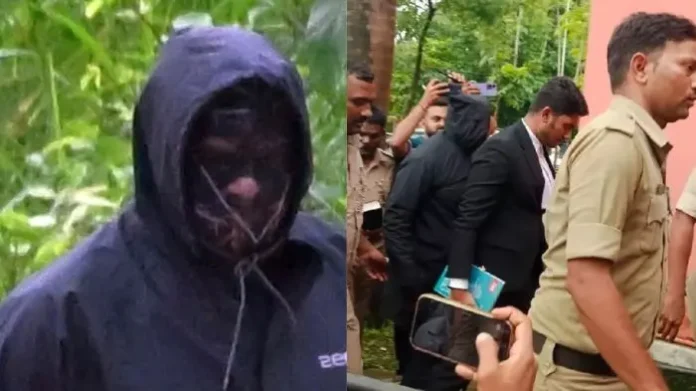
Special Investigation Team (SIT) probing the Dharmasthala mass burial case in Karnataka arrested the primary complainant, a 50-year-old former sanitation worker, on charges of perjury after finding inconsistencies in his allegations of widespread murders, rapes, and secret burials in the temple town over two decades. The complainant, previously protected under the Witness Protection Scheme, had claimed to have buried over 100 bodies under coercion from powerful figures, prompting extensive excavations along the Netravathi River. The arrest, following the withdrawal of his protection, marks a significant twist in a case that has gripped India with allegations of heinous crimes and sparked political and public debate. This article explores the context of the arrest, its implications, challenges, and opportunities for justice and investigative integrity.
Context of the Arrest
Background of the Dharmasthala Case
-
Initial Allegations: On July 3, 2025, the complainant, a former sanitation worker from Kollegal, filed a complaint alleging he was forced to bury over 100 bodies, including those of women and minors showing signs of sexual assault and murder, in Dharmasthala between 1995 and 2014. On July 11, he submitted skeletal remains to the SIT, claiming they belonged to a female victim.
-
SIT Formation: The Karnataka government formed the SIT, led by Director General of Police Pronab Mohanty, on July 19, 2025, to investigate the claims. The team conducted excavations at 17 sites identified by the complainant near the Netravathi River, recovering partial skeletal remains at two locations.
-
Forensic Findings: Forensic analysis revealed the submitted remains were male, not female, and possibly from a laboratory or unrelated source, contradicting the complainant’s claims. Additional remains, including a skull and 114 bones at one site, suggested a male who may have died by suicide or strangulation, not supporting mass murder allegations.
Circumstances of the Arrest
-
Interrogation and Perjury Charges: After prolonged questioning on August 22–23, 2025, the SIT found significant inconsistencies in the complainant’s statements and documents. He reportedly admitted to being instigated by unspecified individuals to make false claims, leading to his arrest for perjury and providing false evidence.
-
Withdrawal of Protection: The complainant’s protection under the Witness Protection Scheme, granted on July 10, was revoked on August 22, enabling his detention. He was taken for a medical examination and is expected to be produced before a Belthangady court.
-
Legal Basis: The arrest was registered under Section 211(a) of the Bharatiya Nagarik Suraksha Sanhita (BNSS) for false allegations, with the SIT seeking further custody to investigate potential conspiracies behind the claims.
Broader Case Developments
-
Public and Political Reaction: The allegations initially triggered public outrage and protests, with activists and families, including Sujatha Bhat, who claimed her daughter Ananya went missing in 2003, demanding justice. Bhat later retracted her statement, admitting fabrication, further undermining the case’s credibility.
-
Temple Response: The Dharmasthala temple authorities, led by Veerendra Heggade, condemned the allegations as an “organized campaign” to defame the 800-year-old pilgrimage site, urging a thorough investigation to uncover the truth.
-
Ongoing Probe: The SIT continues excavations and forensic testing, with soil samples sent for chemical analysis to detect additional human remains, though Home Minister G. Parameshwara noted the investigation remains in early stages.
Implications of the Arrest
Legal and Investigative Impact
-
Undermined Credibility: The complainant’s arrest for perjury casts doubt on the mass burial allegations, potentially weakening related claims and prompting scrutiny of other witnesses, such as social activist Jayanth T., who alleged a burial in 2005.
-
Judicial Accountability: The arrest reinforces the legal system’s commitment to punishing false allegations, deterring frivolous claims that could derail investigations and harm reputations.
-
SIT’s Focus Shift: The SIT may now prioritize investigating potential conspiracies or external influences behind the complainant’s claims, expanding the probe’s scope.
Social and Community Impact
-
Public Trust: The arrest could restore confidence in Dharmasthala’s temple, a revered site visited by 2,000 devotees daily, countering narratives of widespread crime.
-
Social Distress: The case’s high-profile nature, fueled by initial media coverage, has caused community tension, with the arrest potentially easing fears but also raising questions about misinformation.
Political Ramifications
-
Government Stance: Home Minister Parameshwara’s statement that action would be taken if allegations were false underscores the government’s reliance on the SIT to maintain impartiality, avoiding direct interference.
-
Opposition Criticism: The opposition BJP has alleged a “deeper conspiracy” by progressive groups to tarnish the temple’s reputation, a narrative the arrest may bolster, intensifying political debates.
Challenges
Investigative Hurdles
-
Limited Evidence: Excavations at 17 sites yielded minimal human remains, with only two sites producing partial male skeletons, complicating efforts to substantiate mass burial claims.
-
Forensic Delays: Awaiting detailed forensic reports on recovered remains and soil samples could delay conclusions, prolonging uncertainty in the case.
-
Conspiracy Probes: Identifying individuals who allegedly instigated the complainant’s false claims requires extensive investigation, potentially straining SIT resources.
Social and Legal Tensions
-
Community Polarization: The case has divided residents, with some supporting the temple and others demanding accountability, risking further social unrest.
-
Legal Challenges: The complainant or associated activists may challenge the perjury charges in court, arguing coercion or procedural errors, which could delay justice.
Regulatory and Ethical Issues
-
Witness Protection Gaps: The revocation of the complainant’s protection raises questions about the Witness Protection Scheme’s effectiveness, potentially deterring genuine whistleblowers.
-
Misinformation Risks: Sensationalized media coverage and unverified claims amplified initial public outrage, highlighting the need for responsible reporting.
Opportunities
Strengthening Investigative Integrity
-
Robust Fact-Checking: The arrest underscores the importance of rigorous evidence verification, setting a precedent for handling high-profile allegations with care.
-
Enhanced Forensic Capabilities: Continued forensic analysis could improve Karnataka’s investigative infrastructure, benefiting future criminal probes.
Community and Institutional Trust
-
Temple Reputation: A thorough SIT investigation clearing the temple of unfounded allegations could restore its standing, reinforcing its role as a cultural and spiritual hub.
-
Public Awareness: The case highlights the need for education on legal accountability, discouraging false claims and fostering trust in judicial processes.
Policy and Legal Advancements
-
Witness Protection Reforms: The case could prompt reforms to strengthen the Witness Protection Scheme, ensuring better safeguards for genuine complainants while deterring misuse.
-
National Framework: The Supreme Court’s involvement in related cases, like the stray dog policy, suggests potential for a broader review of how sensational allegations are handled, enhancing regulatory oversight.
The arrest of the complainant for perjury on August 23, 2025, marks a pivotal turn in the Dharmasthala mass burial case, challenging the credibility of allegations that sparked nationwide outrage. The SIT’s findings of inconsistencies, coupled with forensic evidence contradicting the complainant’s claims, highlight the importance of rigorous investigation in high-stakes cases. While challenges like limited evidence, social tensions, and regulatory gaps persist, the arrest offers opportunities to strengthen investigative integrity, restore community trust, and refine legal frameworks. As the SIT continues its probe into the Dharmasthala allegations in 2025, the case underscores the delicate balance between pursuing justice and guarding against misinformation, shaping Karnataka’s approach to complex criminal investigations.