

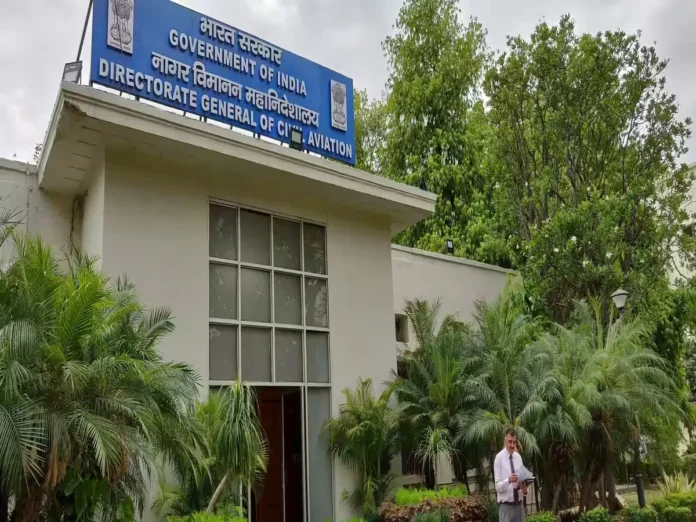
In a progressive and inclusive move, the Directorate General of Civil Aviation (DGCA) has approved a proposal allowing Class 12 arts and commerce students to become commercial pilots in India. This marks a significant departure from the earlier policy, which restricted eligibility to students from science backgrounds, particularly those with Physics and Mathematics at the senior secondary level.
However, this decision is subject to final clearance by the Ministry of Civil Aviation, which will determine the official implementation of the new eligibility criteria. Once approved, this policy will open new doors in the Indian aviation sector, making pilot training more accessible to a broader segment of students.
Background: Existing Pilot Eligibility Criteria in India
Until now, aspiring commercial pilots in India were required to have:
-
Completed Class 12 with Physics and Mathematics from a recognized board
-
Passed medical fitness tests as per DGCA norms
-
Enrolled in an approved Flight Training Organization (FTO) for necessary flight hours and simulator training
This requirement excluded students from arts and commerce streams, regardless of their interest or aptitude for aviation, thereby limiting the talent pool entering pilot training.
New DGCA Proposal: Key Highlights
The DGCA’s latest proposal addresses this restriction by offering a pathway for non-science students. Key features include:
-
Eligibility Expansion: Students from arts and commerce streams who have passed Class 12 can now apply for commercial pilot training.
-
Bridging Courses: Non-science students may need to undertake DGCA-specified bridging programs or qualifying exams to acquire basic knowledge in Physics and Mathematics, necessary for understanding flight dynamics and aeronautics.
-
Focus on Skill and Aptitude: The decision emphasizes practical aptitude, communication skills, and decision-making abilities over strict academic stream-based restrictions.
Rationale Behind the Move
The DGCA’s proposal is in line with the National Education Policy (NEP) 2020, which promotes interdisciplinary education and flexibility in career choices. Some of the reasons cited by DGCA and experts in the aviation industry include:
-
Widening the Talent Pool: The aviation industry is expanding rapidly, and India is projected to become the third-largest aviation market in the world. Allowing arts and commerce students to join pilot training will help meet the growing demand for skilled pilots.
-
Global Trends: Many international aviation regulators, such as the FAA (USA) and EASA (Europe), do not mandate specific academic streams for pilot training, focusing instead on qualifying exams and flying competence.
-
Inclusivity and Equal Opportunity: The decision breaks academic barriers and allows students from diverse educational backgrounds to pursue their passion for aviation.
Next Steps: Ministry Approval and Implementation
The DGCA has formally sent the proposal to the Ministry of Civil Aviation for final approval. Once the ministry gives the green light, the revised eligibility norms will be notified across Flight Training Organizations (FTOs), aviation academies, and educational institutions.
Stakeholders can then expect:
-
Updates to DGCA’s CAR (Civil Aviation Requirements)
-
Detailed guidelines for qualifying assessments in Physics and Mathematics for non-science students
-
Official circulars for FTOs and training schools to implement the changes
Industry and Student Response
The aviation community has largely welcomed the move:
-
Flight schools and instructors have noted an increase in interest from arts and commerce students even before formal approval.
-
Aviation experts believe this could lead to a surge in pilot enrollments, especially from Tier 2 and Tier 3 cities.
-
Students and parents are encouraged by the increased flexibility and the opportunity to pursue high-paying careers without switching academic streams.
Challenges and Considerations
Despite the enthusiasm, a few considerations remain:
-
Ensuring that students from non-science backgrounds can comprehend essential technical concepts during training
-
Creating robust, accessible bridging programs
-
Maintaining training quality and safety standards amidst a broader intake