

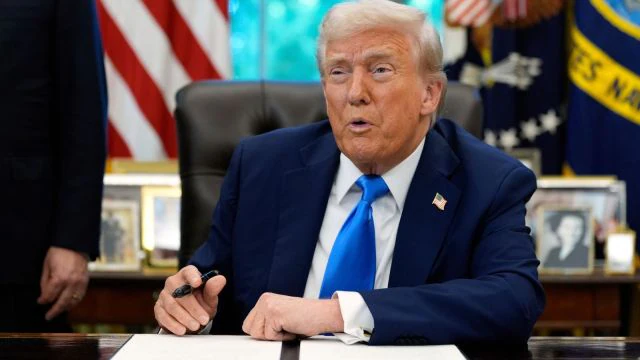
The Trump administration has once again expanded its protectionist trade policies, this time by announcing a 100% tariff on patented drugs along with a range of other imported products. The move, intended to promote domestic production and reduce dependence on foreign goods, could have ripple effects across global markets. For India, one of the largest players in the global pharmaceutical industry, the impact could be both challenging and opportunistic.
Why Target Patented Drugs?
Patented drugs, often developed and manufactured by multinational corporations, dominate the high-value pharmaceutical trade. By imposing steep tariffs, the U.S. aims to encourage local companies to either produce alternatives or negotiate better deals with drugmakers. However, this also risks raising healthcare costs for American consumers in the short term.
India’s Role in Global Pharma
India is widely regarded as the “pharmacy of the world”, especially in the generic medicines market. While patented drugs form a smaller part of India’s exports compared to generics, Indian pharmaceutical companies often produce affordable versions of patented medicines once exclusivity rights expire. A 100% tariff on patented drugs may initially appear to shield the U.S. market, but it also creates space for Indian generics to strengthen their presence if patients and insurers demand cheaper substitutes.
Challenges for Indian Pharma
-
Access to U.S. Market: Indian drugmakers who license patented products or collaborate with U.S. firms may face hurdles, as their cost advantage could diminish with tariffs.
-
Price Sensitivity: The U.S. is one of India’s largest pharmaceutical export markets. If tariffs lead to higher drug costs, Indian firms may encounter slower regulatory approvals and stricter scrutiny as Washington seeks to prioritize local producers.
-
Uncertainty in Partnerships: Indian companies often partner with American firms for clinical trials and drug launches. Tariff barriers could discourage cross-border research collaborations.
Opportunities for Indian Industry
-
Boost to Generics: As patented drugs become more expensive, insurers and healthcare providers in the U.S. may push for generic substitutes. This could benefit Indian firms like Sun Pharma, Dr. Reddy’s, and Cipla, which are already established players in the generic drug space.
-
Expansion to Other Markets: India may redirect its pharmaceutical exports more aggressively toward emerging markets in Africa, Asia, and Latin America if U.S. tariffs squeeze margins.
-
Innovation Drive: Facing reduced opportunities in the U.S., Indian companies may increase investment in R&D to develop new molecules and biosimilars, strengthening their global competitiveness.
Impact Beyond Pharmaceuticals
The tariff expansion is not limited to drugs. Other sectors, such as chemicals, textiles, and intermediate goods, are also reportedly included in the tariff net. This could complicate India’s export strategy to the U.S., especially since America is one of India’s largest trading partners. On the other hand, it may encourage India to diversify its trade dependencies and deepen ties with Europe, Southeast Asia, and Africa.
India’s Strategic Response
New Delhi may respond through:
-
Diplomatic Channels: Engaging with Washington to seek exemptions or reduced tariffs for critical sectors.
-
Policy Adjustments: Offering incentives for domestic innovation in patented drugs, reducing reliance on U.S. approvals.
-
Trade Diversification: Expanding exports to regions less prone to protectionist measures.
Conclusion
Trump’s decision to impose a 100% tariff on patented drugs is a double-edged sword for India. While it may limit access and complicate collaborations in the U.S., it also opens the door for Indian generic drugmakers to expand their role as affordable suppliers. The move underscores the urgent need for India to innovate, diversify its markets, and strengthen its global standing in pharmaceuticals and beyond.