

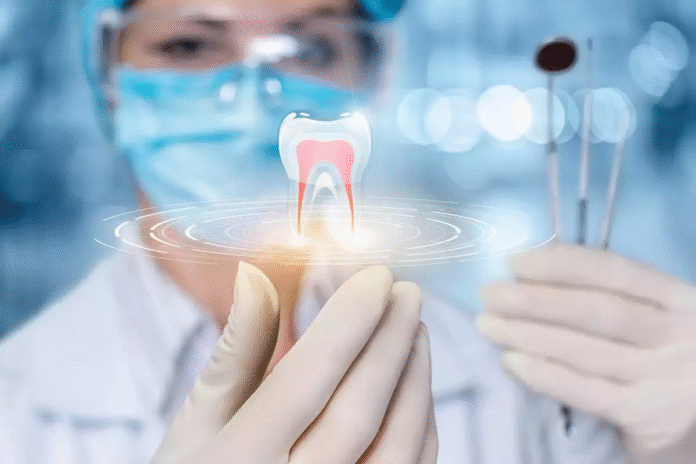
As a dental surgeon in India, I firmly believe that the future of dentistry is not just promising—it is revolutionary. The field is undergoing a remarkable transformation, driven by cutting-edge technologies and a growing emphasis on precision, efficiency, and patient-centric care. This evolution is reshaping clinical practices, expanding access to care, and opening new career opportunities, positioning dentistry as a pivotal component of India’s healthcare landscape.
Technological Advancements in Dentistry
One of the most exciting developments is the integration of artificial intelligence (AI) in diagnostics and the adoption of digital impressions. AI-powered tools are enhancing diagnostic accuracy by analyzing dental imaging to detect caries, periodontal issues, and other abnormalities with unprecedented precision. Digital impressions, replacing traditional molds, streamline workflows, reduce errors, and significantly cut down chair-time for patients. These advancements are not just conveniences—they are game-changers that elevate the standard of care.
To fully harness this potential, these technologies must be integrated beyond elite practices into everyday clinical workflows and, crucially, into dental education. Training the next generation of dentists in AI, digital scanning, and data-driven treatment planning will ensure that these tools become standard practice, benefiting patients across India.
Minimally Invasive and Digital Dentistry
The adoption of minimally invasive procedures, CAD/CAM (Computer-Aided Design/Computer-Aided Manufacturing) restorations, and digital treatment planning is transforming patient outcomes. These technologies enable faster, safer, and more comfortable treatments. For instance:
-
Minimally invasive techniques preserve more natural tooth structure, reducing recovery times and discomfort.
-
CAD/CAM systems allow for same-day restorations, such as crowns and veneers, improving clinical efficiency.
-
Digital treatment planning uses 3D imaging and software to customize treatments, ensuring precision in procedures like orthodontics and implant placement.
These advancements enhance patient satisfaction by delivering aesthetically pleasing and durable results while reducing the physical and emotional burden of dental visits.
Bridging the Urban-Rural Divide
A particularly inspiring development is the rise of mobile dental vans and outreach dental camps, which are addressing the stark urban-rural divide in dental care access. In India, where 65% of the population resides in rural areas (2021 Census), access to dental services remains limited. Mobile dental units equipped with portable diagnostic tools and treatment facilities are bringing essential care—such as cleanings, fillings, and extractions—to remote communities. Outreach camps, often organized by dental colleges and NGOs, further extend services like oral health screenings and education.
These initiatives are a testament to dentistry’s potential to be inclusive and socially impactful. By integrating technologies like portable X-rays and tele-dentistry, these programs can deliver high-quality care, ensuring that even underserved populations benefit from modern advancements.
The Rise of Cosmetic and Implant Dentistry
The growing demand for cosmetic dentistry and implant dentistry reflects a cultural shift toward recognizing the link between dental health and self-confidence. Urban populations, in particular, are increasingly seeking services like:
-
Smile design and veneers for aesthetic enhancements.
-
Dental implants for durable, natural-looking tooth replacements.
-
Orthodontic treatments like clear aligners for discreet corrections.
This trend is creating exciting career avenues for dentists, with specialized training programs and certifications in cosmetic and implant dentistry gaining popularity. The Indian dental market, valued at $1.4 billion in 2023 and projected to grow at a CAGR of 7.8% by 2030, is driven by this urban demand, particularly among younger demographics prioritizing aesthetics.
The Urgent Need for Public Education
Despite these advancements, the need for public education on oral hygiene remains critical. According to the National Oral Health Survey (2020), 62% of Indian adults have dental caries, and 50% suffer from periodontal disease, largely due to poor oral hygiene practices and infrequent dental visits. Preventive care—such as regular brushing, flossing, and check-ups—can significantly reduce these issues, yet awareness remains low, especially in rural areas.
Dentists must champion a parallel mission to promote oral health education through:
-
Community workshops and school programs to teach proper dental care.
-
Media campaigns leveraging platforms like social media to reach younger audiences.
-
Collaboration with public health initiatives to integrate oral health into primary care.
This mission is essential to reducing the burden of preventable dental diseases and ensuring long-term health outcomes.
Challenges and Opportunities
Challenges
-
Urban-Rural Disparity: While urban centers adopt advanced technologies, rural clinics often lack basic equipment, limiting equitable care.
-
Cost Barriers: High costs of procedures like implants and cosmetic treatments restrict access for lower-income groups.
-
Educational Gaps: Dental curricula must evolve to include training in AI, CAD/CAM, and tele-dentistry to prepare students for modern practice.
Opportunities
-
Policy Support: Government initiatives like the Ayushman Bharat scheme can expand dental coverage, integrating mobile vans and camps into public health frameworks.
-
Private Sector Growth: India’s burgeoning dental tourism industry, attracting patients from the Middle East and Africa, can fund infrastructure upgrades.
-
Technology Adoption: Partnerships with tech firms can make AI and digital tools more affordable, scaling their use in smaller practices.
As a dental surgeon, I am proud and grateful to be part of this dynamic field at such a transformative time. The future of dentistry in India is being redefined by technological innovations like AI and CAD/CAM, inclusive outreach through mobile vans and camps, and the growing popularity of cosmetic and implant dentistry. However, the profession must also address the urgent need for public education to promote preventive care. By embedding these advancements in clinical practice, education, and community outreach, dentistry in India is not just evolving—it is redefining the future of healthcare, ensuring better outcomes for patients and a brighter future for practitioners.
By Dr. Abhyanshi Choubey, Dental Surgeon