

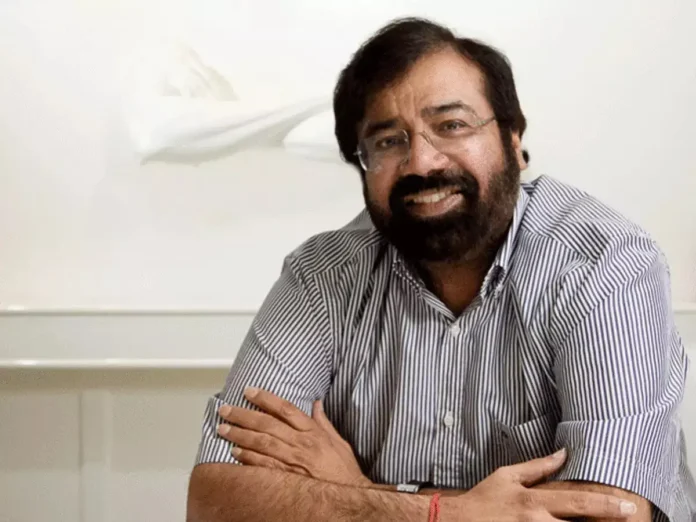
Harsh Goenka, Chairman of RPG Enterprises, ignited a lively discussion by criticizing the traditional 9-to-5 job structure, urging employees to “wake up” before it’s too late. His remarks, shared via a symbolic video depicting the monotony and confinement of such routines, have gone viral, eliciting a mix of support and skepticism online. However, the internet quickly pointed out the irony of a business leader, whose company relies on a 9-to-5 workforce, questioning the very system that sustains his organization. This article explores Goenka’s stance, the public’s response, and the broader implications for work culture, analyzed through the Needonomics framework, which emphasizes essential needs like personal fulfillment and economic stability.
Goenka’s Critique and the Viral Video
Goenka’s critique centers on a video titled “How 9-to-5 Jobs Take Over Your Life,” which portrays a man trapped in a metaphorical box representing a corporate job. Starting as an intern, he progresses to a full-time role and eventual promotion, yet remains confined, growing unhappy as friends enjoy life outside work. Even in retirement, his attempt to reclaim youth with a skateboard ends in a fall, symbolizing lost opportunities. Goenka’s accompanying message—“Wake up…before it’s too late!”—suggests that 9-to-5 jobs stifle personal growth and freedom, resonating with those disillusioned by rigid schedules.
The post, shared on X, quickly amassed significant attention, reflecting a growing sentiment against traditional work hours. Some users echoed Goenka’s view, noting how such jobs often extend beyond office time, occupying mental space even at home, highlighting a need for better work-life boundaries.
Internet’s Irony-Focused Backlash
The online reaction was swift, with many highlighting the irony of Goenka’s position. As a prominent industrialist leading RPG Enterprises, a conglomerate employing thousands in 9-to-5 roles, his critique raised eyebrows. Users questioned whether he would extend the same advice to his employees, with comments like “Sir ji, don’t show it to your employees. Imagine if all your employees start believing in it, then what will happen to your organization?” Others labeled it a “great message for RPG employees,” dripping with sarcasm, while some challenged him to propose viable alternatives, asking, “What’s the solution for this?”
This backlash underscores a perceived disconnect: a leader benefiting from a structured workforce criticizing the system that underpins his success. The debate reflects broader tensions between corporate leadership and employee experiences, with some suggesting Goenka’s view might overlook the practical realities of survival and financial stability for many workers.
Implications for Work Culture
Goenka’s comments tap into a global conversation about work-life balance, amplified by recent debates over long workweeks—such as Infosys founder Narayana Murthy’s 70-hour advocacy and L&T Chairman S.N. Subrahmanyan’s 90-hour suggestion. His stance aligns with a growing movement favoring flexibility, remote work, and outcome-based performance over fixed hours. However, the irony pointed out by netizens suggests a need for leaders to align personal philosophies with organizational practices, potentially influencing RPG’s internal policies or sparking industry-wide reflection.
The video’s narrative also resonates with younger generations prioritizing purpose over traditional career paths, a trend supported by posts found on X where users debate the mental toll of conventional jobs. Yet, the lack of a concrete solution in Goenka’s message leaves room for skepticism about its applicability in a competitive job market.
Needonomics and Consumer Wisdom
The Needonomics framework highlights the essential need for personal fulfillment alongside economic security, a balance often disrupted by rigid 9-to-5 structures. Goenka’s critique addresses the former, urging individuals to seek lives beyond work, aligning with consumer wisdom that values mental well-being and autonomy. Street economics reveals a public increasingly aware of work’s impact on life quality, with online discussions showing both agreement and frustration over limited alternatives.
The Recognition Heuristic plays a role, as Goenka’s status as a business leader lends weight to his views, yet the irony undermines his credibility for some. This duality suggests a need for leaders to offer practical pathways—such as skill development or flexible roles—rather than philosophical critiques, ensuring economic needs are met alongside personal growth.
Economic and Ethical Considerations
Economically, Goenka’s stance could pressure companies to rethink productivity models, potentially boosting innovation in flexible work arrangements. However, if employees at RPG or similar firms adopt his advice en masse, it might disrupt operations, highlighting a tension between individual freedom and organizational stability. Ethically, his position raises questions about consistency—should leaders advocating alternative lifestyles ensure their businesses model such practices? Needonomics calls for ethical alignment, suggesting Goenka might need to demonstrate actionable change within his firm to maintain credibility.
Challenges and Opportunities
Challenges
-
Irony Perception: The disconnect between Goenka’s critique and his business model may erode trust.
-
Practicality Gap: Without solutions, his message risks being seen as out-of-touch for those reliant on 9-to-5 income.
-
Employee Impact: Widespread adoption of his view could destabilize industries dependent on fixed schedules.
Opportunities
-
Work Culture Reform: His influence could push for hybrid or outcome-based work models.
-
Employee Engagement: Addressing the irony by enhancing RPG’s work policies could set a leadership example.
-
Public Dialogue: The debate fosters awareness of work-life balance, encouraging broader societal shifts.
Harsh Goenka’s criticism of 9-to-5 jobs on July 18, 2025, has sparked a viral debate, with his symbolic video resonating with those seeking liberation from routine while drawing irony-driven backlash from an internet highlighting his role at RPG Enterprises. Through the Needonomics lens, his message addresses the essential need for personal fulfillment, yet its practicality and consistency remain under scrutiny. As online sentiment reflects both support and skepticism, the discussion offers a chance for corporate leaders to align rhetoric with action, potentially reshaping work culture to balance economic stability with individual well-being in India’s evolving employment landscape.