

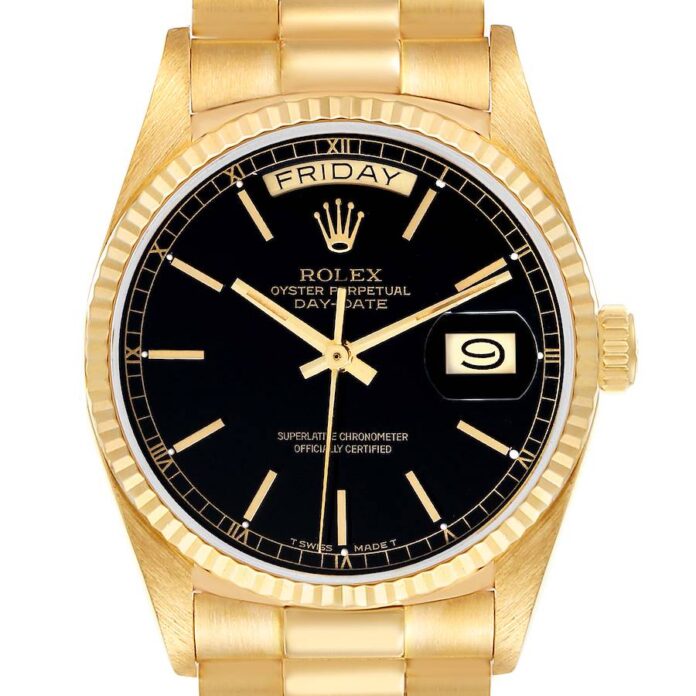
Ministry of External Affairs (MEA) unveiled a captivating array of diplomatic gifts deposited in its Toshakhana repository from January to April 2025, offering a window into India’s global engagements. The collection, highlighted , includes opulent items like Rolex watches, gold biscuits, and a symbolic Bhagavad Gita model, received by luminaries such as Prime Minister Narendra Modi and External Affairs Minister S. Jaishankar. As reported on July 17, 2025, this disclosure has sparked public fascination and political scrutiny, raising questions about transparency, diplomatic gifting, and the management of India’s Toshakhana treasury.
Inside the Toshakhana: A Diverse Collection
The Toshakhana, meaning “treasury” in Sanskrit, serves as India’s repository for gifts received by government officials during international visits, governed by the Central Civil Services Conduct Rules and a 1978 gazette notification. Officials must deposit gifts within 30 days, with the Toshakhana assessing their market value. Recipients can retain items by paying the assessed price, while gifts valued at Rs 1,000 or less are returned free of charge.
The 2025 list, comprising 284 entries, showcases a blend of luxury and cultural artifacts:
-
High-Value Luxury: Modi received Rolex watches valued between Rs 25-40 lakh, while Jaishankar was gifted a Chopard wristwatch worth Rs 12.5 lakh and a Rolex at Rs 5.75 lakh. A jewelry set worth Rs 7.5 lakh and a gift hamper with a Piaget watch and four Mubkhar perfumes were also deposited.
-
Gold and Precious Items: Gold biscuits (20 grams each), royal-mint gold coins, and gold-diamond-crystal jewelry highlight the opulence of diplomatic exchanges, often from Gulf nations.
-
Cultural Treasures: A Bhagavad Gita model (Rs 36,000), a glass statue of Lord Ganesh (Rs 1 lakh), a Shiva temple memento, and a wooden Veena replica reflect India’s cultural heritage.
-
Eclectic Gifts: Modest items like a leather pouch (Rs 200), Jacob’s Creek wine (Rs 800), Red Label Whiskey (Rs 1,000), a snake plush toy, and a crystal vase contrast with lavish offerings like ivory-inlaid coffee tables.
Notably, a 2018 entry listing high-value anonymous gifts, including gold biscuits and Hindu scriptures, has raised eyebrows, prompting calls for greater transparency.
The Role of Diplomatic Gifting
Diplomatic gifting is a time-honored practice symbolizing goodwill and fostering ties. The Toshakhana’s collection reflects India’s multifaceted international relations:
-
Cultural Diplomacy: Items like the Bhagavad Gita and temple models underscore India’s soft power, promoting its spiritual and cultural legacy.
-
Economic Partnerships: Luxury gifts from affluent nations, particularly in the Gulf, signal strong trade ties, especially in energy and technology sectors.
-
Strategic Balancing: The mix of Western luxury brands and Asian artifacts mirrors India’s diplomatic navigation between Quad allies (US, Japan, Australia) and SCO partners (China, Russia).
Public interest surged on X, with @CNNnews18’s post, “Rolex Watches, Gold Biscuits & Bhagavad Gita: A Sneak Peek Into MEA’s ‘Toshakhana’,” trending widely. Users like @AmanKayamHai_ marveled, “From whiskey to gold, Toshakhana has it all!”
Political and Public Scrutiny
The disclosure has drawn mixed reactions. The public is intrigued by the juxtaposition of modest and extravagant gifts, but political parties, notably the Congress, have used the opportunity to critique the Modi government. On July 17, 2025, Congress leader Jairam Ramesh linked the Toshakhana revelation to broader foreign policy concerns, questioning the government’s silence on China’s actions during Operation Sindoor. He remarked, “While the PM collects Rolexes, why no response to China’s support for Pakistan?” This ties into Congress’s broader demand for a parliamentary debate on India-China relations.
The mention of anonymous 2018 gifts has fueled accusations of opacity. X users expressed concern, with one posting, “Anonymous gold biscuits? This needs investigation!” The opposition has called for stricter Toshakhana oversight, drawing parallels to Pakistan’s Toshakhana controversy involving former PM Imran Khan.
Regulatory Challenges and Transparency Issues
The Toshakhana operates under clear guidelines, but challenges remain:
-
Valuation Complexity: Accurately assessing unique items like a Bhagavad Gita model or ivory tables is difficult, potentially leading to discrepancies.
-
Anonymous Gifts: The 2018 anonymous entries highlight traceability gaps, raising ethical concerns about potential misuse.
-
Public Perception: High-value gifts to top officials, amid economic challenges like India’s projected USD 300 billion trade deficit in FY26, risk perceptions of elitism.
The government defends its transparency, emphasizing compliance with regulations. However, analysts recommend modernizing the Toshakhana with digital records and public access to enhance accountability.
Broader Implications
The Toshakhana disclosure has significant implications:
-
Diplomatic Strategy: The gifts reflect India’s strategic priorities, from strengthening Gulf ties to promoting cultural diplomacy with Asian partners.
-
Economic Context: Luxury imports highlight India’s reliance on foreign goods, underscoring the need for domestic production in sectors like high-end manufacturing.
-
Public Trust: Transparent gift management is crucial to counter opposition narratives and maintain public confidence, especially during politically charged times.
Globally, India’s Toshakhana practices contrast with those of other nations. While India’s disclosures are proactive, cases like Pakistan’s underscore the risks of mismanagement. The MEA’s approach could set a benchmark for diplomatic gift repositories.
Path Forward
To strengthen the Toshakhana system, the MEA should:
-
Increase Transparency: Publish detailed donor information to address concerns about anonymous gifts.
-
Digitalize Processes: Create an online database for public access to Toshakhana records.
-
Refine Valuation: Engage independent experts for accurate pricing of unique items.
-
Public Education: Launch campaigns to explain the diplomatic role of gifting, reducing perceptions of extravagance.
The MEA’s Toshakhana, unveiled on July 16, 2025, showcases a fascinating blend of luxury and legacy, from Rs 40 lakh Rolex watches to a Rs 36,000 Bhagavad Gita model. As of July 17, 2025, the disclosure captivates the public while inviting scrutiny over transparency and accountability. By addressing these challenges, the government can reinforce the Toshakhana’s role as a symbol of India’s diplomatic prowess, balancing opulence with integrity in its global engagements.