

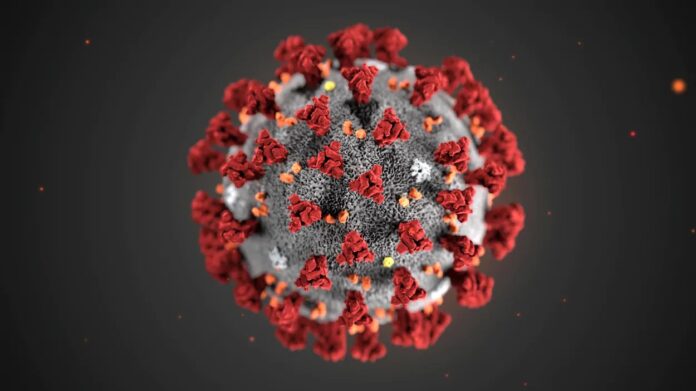
In recent weeks, several regions across the world — including parts of India, the U.S., and Europe — have reported a modest increase in COVID-19 cases. While any rise in numbers can spark public concern, experts suggest there’s no need to panic. Here’s a look at why cases are rising and why this current uptick is not as alarming as past waves.
Why Are COVID Cases Rising?
-
New Variants Emerging
The virus continues to mutate. Recently, variants like KP.2 and JN.1 have shown increased transmissibility. These variants are more efficient at spreading but are not significantly more dangerous. -
Waning Immunity
Immunity from previous infections or vaccinations gradually decreases over time. With booster campaigns slowing and many people having not received recent doses, mild reinfections are becoming more common. -
Increased Testing & Surveillance
In some places, the rise in cases is partially due to increased testing — especially in hospitals, travel hubs, and during routine checks. This results in more asymptomatic or mild cases being detected. -
Seasonal Trends & Behavioral Changes
In colder or monsoon-prone regions, people spend more time indoors, increasing the chances of transmission. Additionally, many have stopped using masks and other preventive measures entirely.
Why You Don’t Need to Worry (Much):
-
Low Hospitalization & Mortality Rates
The majority of new infections are resulting in mild symptoms, with very few requiring hospitalization. Deaths remain significantly lower compared to previous waves. -
Strong Immunity in Population
Thanks to mass vaccination and previous exposure, most people have a level of hybrid immunity — a combination of vaccine-induced and natural protection. -
Better Treatment Options
Treatments for COVID-19 are now far more effective. Antivirals like Paxlovid, improved clinical protocols, and early diagnosis are helping keep severe cases rare. -
Public Health Preparedness
Most healthcare systems are no longer overwhelmed and have infrastructure in place to deal with localized spikes.
What Should You Do?
-
Stay Informed – Follow updates from trusted health authorities.
-
Practice Basic Hygiene – Hand washing and staying home when sick still matter.
-
Mask in High-Risk Settings – Especially for elderly or immunocompromised individuals.
-
Get Boosted – If eligible, consider getting a booster shot to maintain immunity.