

Poonam Sharma
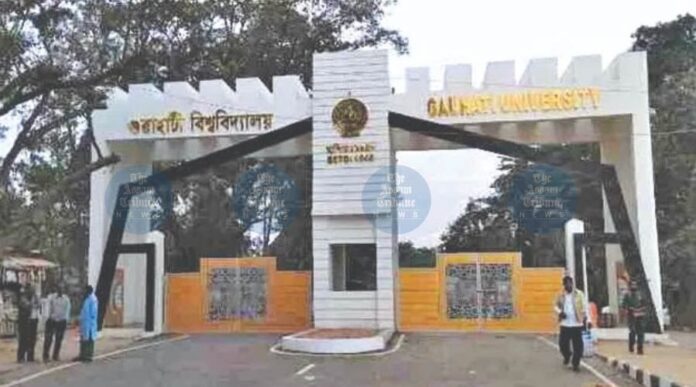
Guwahati, March 27– Gauhati University (GU) has made it to the list of top eight ragging hotspots in India, as per the “State of Ragging in India 2022-24” report presented by Society Against Violence in Education (SAVE). The report, which evaluates ragging cases in the country between 2022 and 2024, recorded 15 complaints from GU during that period, putting it on the top eight risky institutions list.
But it was Maulana Abul Kalam Azad University of Technology in Kolkata that turned out to be the biggest hotspot, with a whopping 75 grievances. The results form part of a larger study that had taken a total of 3,156 complaints registered with the National Anti-Ragging Helpline across 1,946 colleges across India. The information highlights a disturbing trend of ragging, especially in medical institutions, and presents the continuing risks to freshers in a number of India’s top learning institutions.
Apart from GU, other universities with high rates of complaints are Madhya Pradesh Medical Science University in Jabalpur and Banaras Hindu University in Varanasi, with 75 and 42 complaints, respectively. The University of Lucknow (40 complaints), Berhampur University (31), and the University of Allahabad (21) also made it to the top-ranking institutions for ragging cases. Jadavpur University in Kolkata, with 16 complaints, was also noted for its consistent issues with ragging.
The report presents a somber picture of the situation, with medical colleges contributing to 38.6% of all complaints, 35.4% of major complaints, and an appalling 45.1% of deaths due to ragging despite enrolling merely 1.1% of India’s total student strength. The gravity of the situation is also highlighted by the fact that 51 students lost their lives because of ragging between 2022 and 2024, with 20 deaths reported alone in 2024. The latter figure outpaced the figure of student suicides in Kota during the same years, which underscores the deadly effects of ragging that tend to go unnoticed by the public eye.
Among the most hit campuses, according to the SAVE report, are the University of Lucknow, Banaras Hindu University, and MKCG Medical College (Odisha), each with repeated trends of ragging complaints. An increase in such incidents brings into question the success of anti-ragging steps and the efficiency of educational institutions in safeguarding their students, especially freshers who are the most vulnerable to harassment.
The findings of the report are not just alarming because of the quantity of complaints but also because of the gravity of the cases. The cases in medical colleges are especially concerning, with colleges such as MKCG Medical College in Odisha, Maulana Azad Medical College in New Delhi, and Pt Jawahar Lal Nehru Memorial Medical College in Raipur topping the list in complaint numbers. These colleges, some of which are of the so-called prestigious variety, have consistently failed to stop the scourge of ragging in spite of various guidelines and regulations issued to prevent it.
To tackle the crisis, the SAVE report makes a number of significant recommendations. One of the most urgent of these is that the National Anti-Ragging Helpline be made available for anonymous complaints. This would make it easier and safer for victims to register complaints without threat of reprisal. The report further recommends the implementation of Anti-Ragging Squads across all institutions, comprising dedicated security staff whose contact numbers should be easily accessible to freshers.
The report also emphasizes the need for CCTV monitoring in hostels, with surveillance to be conducted not only by security personnel but also by anti-ragging committees and parents. Freshers must also be accommodated in different hostels, as per norms framed by the University Grants Commission (UGC) and the National Medical Commission (NMC). Institution wise, police complaints have to be filed in 24 hours in case of serious incidents of ragging.
The Ministry of Health and Family Welfare is also requested to conduct annual anti-ragging conventions, including the presidents of anti-ragging committees from more than 700 medical colleges across the nation. In addition, the report suggests that the parents of freshers be provided with access to the contact numbers of the parents of senior students to ensure greater accountability and communication.
The persistence of ragging in educational institutions in India points to the need for speedy reform and firm enforcement of prevailing laws. The ongoing deaths and harassment and their lack of thorough media coverage and public debate have been a setback to any changes. The findings of the “State of Ragging in India 2022-24” report should act as a wake-up call to both educational authorities and society, urging them to take swift and decisive action to eliminate this menace from campuses across the country.complaints between 2022-24. The report further gives several key recommendations to effectively curb the menace of ragging in India. The foremost recommendation being that the National Anti-Ragging Helpline should accept anonymous complaints to protect victims’ identities. Also, the colleges must establish Anti-Ragging Squads with dedicated security guards, whose contact details should be shared with the freshers. “CCTV surveillance in hostels should be monitored by security personnel, anti-ragging committees, and parents,” the report suggested. The freshers, according to the report, should be accommodated in separate hostels as per UGC and NMC regulations, and the institutions must file police complaints within 24 hours for serious ragging cases. The Health Ministry should also organize annual anti-ragging conventions inviting anti-ragging committee heads from all the 700+ medical colleges, it said. “Freshers and their parents should have access to contact details of senior students’ parents,” the report suggested.
The post Gauhati University among India’s top 8 ragging hotspots appeared first on Global Governance News- Asia's First Bilingual News portal for Global News and Updates.