

Subhayan Chakraborty
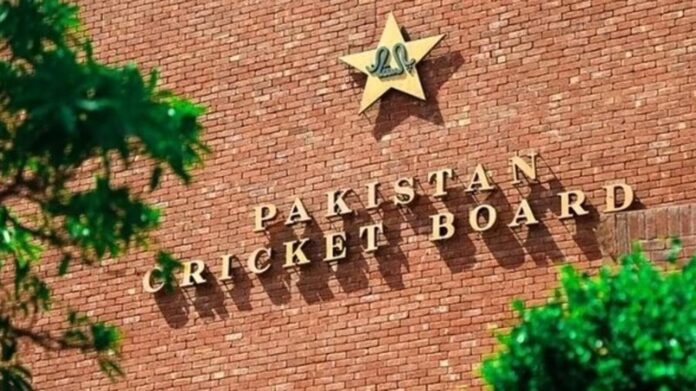
Pakistan cricket has long been known for its unpredictability, but in recent times, the drama has increasingly shifted from the pitch to the boardroom. Instead of making headlines for their performances on the field, the national team and the Pakistan Cricket Board (PCB) have frequently found themselves in the spotlight for off-field controversies, threats and administrative decisions that have raised questions about professionalism. What was once a revered powerhouse of the sport is increasingly being portrayed as a cautionary tale of administrative chaos.
This decline was evident during the second Test against England at Lord’s. The scorecard alone painted a grim picture. After England posted 248 in their first innings, Pakistan suffered a major batting collapse and were bowled out for just 110. With England quickly extending their lead in the second innings, Pakistan’s performance offered little indication of a team capable of fighting its way back into the contest.
However, it was the off-field drama during the same Test that attracted even more attention. On the opening day, Sky Sports aired an interview conducted by Michael Atherton with the sons of former Pakistan Prime Minister and cricket legend Imran Khan. Instead of allowing the focus to remain on the cricket, the PCB reportedly lodged a formal complaint and threatened that the Pakistan team would refuse to take the field after lunch if the interview was broadcast.
The broadcaster ultimately went ahead with the interview, while Pakistan returned to the field after the break. The episode once again raised questions about the effectiveness of such threats and the manner in which the PCB handles off-field issues.
This is not the first time Pakistan cricket has issued a threat of this nature.
During the 2025 Asia Cup in the UAE, Pakistan created another controversy ahead of their group-stage match against the UAE. The team management objected to the appointment of match referee Andy Pycroft over a previous grievance and demanded his removal. Pakistan even threatened to boycott the match if their demand was not accepted.
However, when the possibility of forfeiting the game became real, Pakistan backed down and took the field.
The same tournament produced another controversial episode after the final. Following India’s victory over Pakistan, the post-match presentation became a talking point after Indian players reportedly did not accept the trophy from PCB chairman Mohsin Naqvi amid the ongoing political tensions and administrative disagreements between the two sides.
Naqvi subsequently left with the trophy, meaning the victorious Indian team did not receive the silverware during the official presentation.
Taken together, these episodes paint an increasingly uncomfortable picture of Pakistan cricket’s administration. Political tensions, personal disagreements and public threats have repeatedly taken attention away from what should remain at the centre of the sport — the cricket itself.
Pakistan remain a team capable of producing extraordinary cricketers and unforgettable moments. But for that legacy to remain intact, the administration must find a way to keep the focus on performances rather than controversies.
Until then, the biggest headlines surrounding Pakistan cricket may continue to come from the boardroom rather than the boundary rope.
Follow Revsportz for latest sports news
The post The Drama Kings of Cricket: Why Pakistan’s Empty Ultimatums Are Costing Them Global Respect appeared first on Sports News Portal | Revsportz.