

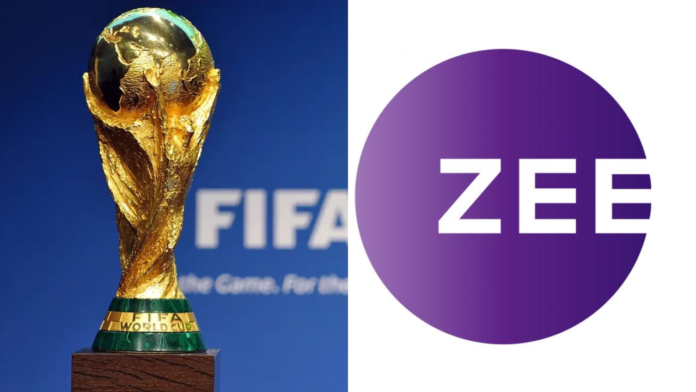
With ten days to go before the FIFA World Cup 2026, Zee Entertainment has secured the broadcast rights along with a broader package of FIFA properties until 2034. This has implications for Indian football, which is in dire need of intervention at multiple levels, but the other narrative is about Indian broadcasting. In that sense, this deal is less about who will show the World Cup and more about what it says regarding the future of sports media in India.
For the past few years, the Indian sports broadcasting market has increasingly become a two-horse race. On one side sits the formidable combination of cricket and scale controlled by JioStar. On the other is Sony Pictures Networks India, with its portfolio of premium international football, tennis and combat sports. Zee’s return to sports through FIFA is therefore significant because it introduces a third serious player into a market that was beginning to look consolidated.
The first implication is that sports rights inflation may finally be finding its limits. Industry reports suggest FIFA’s India rights package was initially marketed at valuations that many broadcasters found difficult to justify. The eventual deal was concluded at a significantly lower number than originally expected. Broadcasters are no longer buying rights purely for prestige. They are buying rights based on monetisation potential.
The second implication is the emergence of a more fragmented sports ecosystem. A decade ago, cricket dominated conversations while most other sports struggled for visibility. Today, the market looks very different. Cricket remains the undisputed giant, but broadcasters are increasingly building specialised portfolios around specific fan communities. Sony owns significant football and tennis properties. JioStar owns the country’s most powerful cricket inventory. Zee is now positioning itself around global football and FIFA’s wider ecosystem. This segmentation creates healthier competition because broadcasters can no longer depend solely on acquiring one mega-property. They need stronger storytelling, better production and smarter audience engagement.
The third implication concerns the launch of Zee’s sports ambitions. Every broadcaster needs a flagship property that immediately signals intent to advertisers, distributors and viewers. The World Cup is arguably the strongest non-cricket sports property available in India. By securing FIFA, Zee instantly acquires credibility in sports broadcasting. That is a far more strategic play than merely chasing tournament revenues.
The fourth implication is perhaps the most interesting. For the first time in years, football is becoming central to competitive strategy among broadcasters rather than being treated as a secondary property. Indian football fans have often felt like an underserved audience. They are passionate, digitally savvy and highly engaged, yet they frequently find themselves navigating changing platforms and fragmented rights ownership.
The winners of the next decade will be those who understand how television, streaming, social media, creators, influencers and fan communities work together. A World Cup match is no longer a three-hour broadcast. It is a week-long content ecosystem spanning reels, podcasts, watch-alongs, data visualisations, fan debates and community interactions. That is where the real battle between broadcasters will be fought.
Viewed through that lens, Zee’s FIFA acquisition is not merely a football story. It is a statement that the company wants a seat at the table in the next phase of Indian sports media.
The post Does Zee’s FIFA bet have enough to disrupt India’s sports broadcast playbook? appeared first on Sports News Portal | Revsportz.