

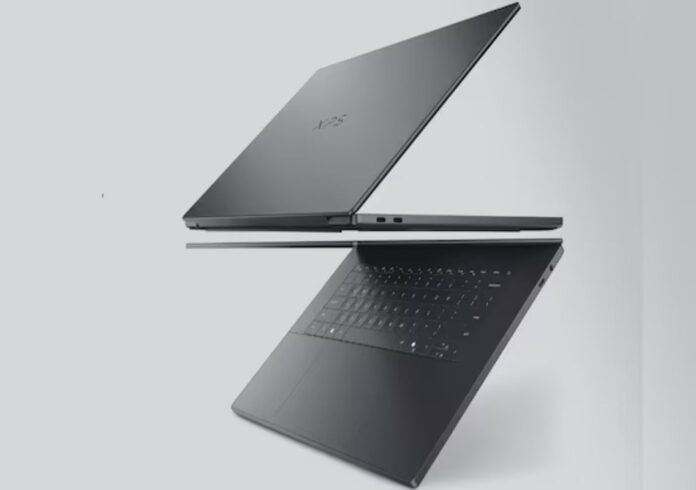
New Delhi: Dell has reintroduced its iconic XPS 13 laptop with a refreshed design and a more accessible price point, aiming to compete directly with Apple’s newly launched MacBook Neo in the growing entry-level premium laptop segment. The move reflects intensifying competition among laptop makers to attract students and younger buyers entering the mainstream premium market.
The launch comes soon after Apple introduced the MacBook Neo at a starting price of ₹69,900, marking its push into a segment traditionally dominated by Windows-based devices. Dell’s revival of the XPS brand signals its intent to defend its position while offering a compelling alternative to Apple’s latest offering.
Dell revives a flagship brand
The XPS series has long been one of Dell’s most recognised premium laptop line-ups. After briefly discontinuing the XPS branding in 2025, the company has now brought it back with a redesigned XPS 13, maintaining its reputation as a sleek ultraportable device.
The new XPS 13 is just 12.7 mm thick and weighs approximately 997 grams, making it one of the lightest laptops in its category. Its compact and minimalist design continues to appeal to users seeking portability without compromising on build quality.
Dell has equipped the laptop with Intel’s latest Core Series 3 processor, positioning it as a capable machine for everyday productivity, multimedia consumption and light professional workloads.
Targeting the student and youth market
Dell’s strategy with the new XPS 13 clearly aligns with Apple’s approach for the MacBook Neo. Both companies are targeting students and younger consumers who are looking for premium devices at relatively affordable prices.
The XPS 13 starts at $700 (approximately ₹67,900), with student discounts in the United States bringing the price down to around $600. While Dell has not yet announced official India pricing, the aggressive entry price indicates its intent to compete closely with Apple’s offering.
This shift highlights a broader trend in the laptop market, where manufacturers are focusing on first-time premium buyers rather than solely catering to high-end professionals.
Premium features at a lower price
Despite its lower starting price, Dell claims that the XPS 13 retains several premium features associated with the brand. The laptop features a CNC-machined aluminium chassis, ensuring durability and a high-quality finish.
It comes with a 2.5K IPS display that supports a 120Hz refresh rate, offering smoother visuals compared to the 60Hz display on the MacBook Neo. The screen also delivers 100 per cent DCI-P3 colour coverage, making it suitable for content consumption and creative work.
Additional features include quad speakers for enhanced audio output, a fully backlit keyboard and a built-in webcam with support for Windows Hello facial recognition. The base variant includes 8GB of RAM and 256GB of storage, which can be upgraded based on user requirements.
The laptop is available in two colour options, Storm and Sky, adding a touch of personalisation for users.
Competing beyond price
While the XPS 13 is competitively priced, Dell has emphasised that it is not aiming to win solely on affordability. Instead, the company is focusing on delivering a balanced package of performance, design and features.
One example is the adaptive refresh rate of the display, which can scale between 30Hz and 120Hz depending on usage. This helps optimise battery life while maintaining smooth performance when needed.
Dell Chief Operating Officer Jeff Clarke has stated that the company is not trying to engage in a pricing war with Apple. Instead, Dell believes that the XPS 13 offers better overall value through its feature set and user experience.
Trade-offs and limitations
Despite its strengths, the XPS 13 does come with some compromises. The laptop includes only two USB-C ports, with no additional connectivity options such as USB-A or HDMI. This may require users to rely on adapters for certain peripherals.
In comparison, the MacBook Neo is expected to offer advantages in efficiency and thermals, thanks to its fanless design. Dell, on the other hand, uses a dual-fan cooling system to manage heat, which may result in slightly more noise under heavy workloads.
These differences highlight the contrasting approaches taken by the two companies, with Apple focusing on efficiency and simplicity, while Dell emphasises flexibility and features.
Market outlook
The competition between Dell and Apple in the entry-level premium segment is likely to intensify in the coming months. As more consumers look for high-quality laptops at accessible prices, manufacturers will need to strike a balance between cost and innovation.
Dell’s decision to revive the XPS brand and reposition it for a broader audience could play a key role in shaping its market strategy. At the same time, Apple’s expansion into this segment signals a shift in its traditionally premium-only approach.
Conclusion
The relaunch of the XPS 13 underscores Dell’s commitment to staying competitive in a rapidly evolving laptop market. By offering premium features at a relatively affordable price, the company is aiming to attract a new generation of users.
As the battle between Windows laptops and MacBooks continues, the success of devices like the XPS 13 and MacBook Neo will depend on how well they meet the expectations of modern consumers. For now, buyers stand to benefit from increased competition, better features and more choices in the premium laptop segment.