

New Delhi: Breakfast is often treated as a meal that can be skipped when mornings become hectic, but making nutritious choices at the start of the day can contribute to a healthier overall diet. This may be particularly relevant for people concerned about fatty liver, where dietary patterns, body weight and metabolic health play an important role.
Dr Saurabh Sethi has highlighted seven breakfast options that can provide a combination of fibre, protein and healthy fats while keeping added sugar and highly processed ingredients to a minimum. These foods are not a standalone treatment for fatty liver, but they can form part of a balanced eating pattern that supports liver and metabolic health.
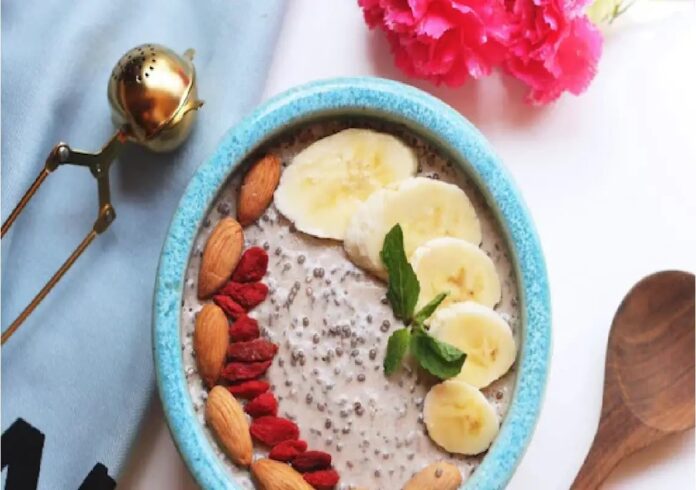
1. Chia pudding with nuts and berries
Chia pudding can be prepared the previous night, making it a convenient option for people with busy mornings. Chia seeds provide fibre and plant-based omega-3 fats, while berries add antioxidants and nuts contribute healthy unsaturated fats.
A fibre-rich breakfast can also help improve fullness and support better blood sugar control. For people managing fatty liver, maintaining a healthy weight and improving metabolic health are important aspects of management.
However, commercially prepared flavoured chia puddings may contain significant amounts of added sugar. Choosing unsweetened ingredients is therefore preferable.
2. Plain yoghurt with berries and nuts
Plain Greek yoghurt or unsweetened dahi combined with blueberries and nuts provides protein, fibre and healthy fats.
Yoghurt can also contribute beneficial bacteria to the diet, which is relevant because researchers have been studying the relationship between the gut and liver, commonly referred to as the gut-liver axis.
Dr Sethi recommends choosing plain, unsweetened yoghurt rather than varieties containing added sugar. Berries can provide natural sweetness and additional fibre, while nuts can make the meal more filling.
3. Oatmeal with protein and berries
Oatmeal is another practical breakfast option. Oats contain soluble fibre, including beta-glucan, which can help support healthy cholesterol levels and improve satiety.
Adding a protein source can make the meal more balanced and may help maintain muscle mass, particularly for people who are trying to lose excess weight.
Rolled or steel-cut oats can be preferable to highly processed, flavoured instant oatmeal products because some packaged varieties contain added sugar.
Berries can be added for flavour and extra fibre without relying on refined sweeteners.
4. Vegetable omelette
A vegetable omelette made with eggs, spinach, mushrooms, tomatoes, onions and peppers offers protein along with a variety of vitamins, minerals and plant compounds.
Eggs can be a useful source of protein, while vegetables increase the fibre and micronutrient content of the meal.
Rather than focusing on completely eliminating carbohydrates, people with fatty liver may benefit from choosing higher-quality carbohydrate sources and limiting refined carbohydrates and added sugars. A vegetable omelette can therefore be paired with a modest serving of whole grains or plain yoghurt according to individual dietary requirements.
5. Moong dal chilla
Moong dal chilla is a protein- and fibre-rich Indian breakfast that can be a useful alternative to refined-flour breakfast foods.
Made from soaked and ground mung beans, the savoury pancake can be prepared with vegetables and served with plain yoghurt or mint chutney.
Its combination of plant protein and fibre can promote fullness and make it easier to maintain an appropriate calorie intake. This can be particularly useful because gradual weight loss, when appropriate, is an important component of fatty liver management.
6. Avocado on whole-grain bread
Avocado provides predominantly unsaturated fats, while 100% whole-grain or sprouted bread can provide more fibre than refined white bread.
Combining the two can create a filling breakfast that provides both healthy fats and complex carbohydrates.
Portion size remains important, however. Avocado is nutrient-dense but also relatively high in calories, so the overall meal should fit within an individual’s dietary requirements.
Adding vegetables such as tomatoes, cucumber or leafy greens can further increase the fibre content.
7. Tofu scramble with vegetables
Tofu scramble can provide plant-based protein while allowing a variety of vegetables to be included in the meal.
Onions and leafy vegetables can add fibre and micronutrients, while spices such as turmeric and black pepper can provide flavour without requiring excessive salt or processed sauces.
Tofu can be particularly useful for people looking for alternatives to animal-based protein. Pairing it with vegetables and a suitable whole-grain accompaniment can turn it into a balanced breakfast.
Why breakfast choices matter for fatty liver
Fatty liver is closely linked with metabolic factors such as excess body weight, insulin resistance and abnormal blood lipid levels. Consequently, no single food can “reverse” the condition on its own.
A more useful approach is to focus on an overall dietary pattern. Meals containing adequate protein and fibre can improve satiety, while reducing added sugars, refined carbohydrates and highly processed foods can help improve overall diet quality.
Regular physical activity, appropriate weight management and medical follow-up are also important for people diagnosed with fatty liver.
Skipping breakfast does not automatically cause fatty liver, either. Some people may follow eating patterns that include a later first meal without experiencing health problems. The key consideration is the overall quality and quantity of food consumed throughout the day.
What to keep off the breakfast table
For people trying to improve their liver health, breakfast foods high in added sugar and refined carbohydrates are better consumed sparingly. Sugary cereals, pastries, sweetened beverages, heavily processed spreads and desserts can add substantial calories and sugar without providing much fibre or protein.
Similarly, packaged breakfast products marketed as healthy should not automatically be considered beneficial. Checking nutrition labels for added sugar, fibre and protein can help people make more informed choices.
A balanced approach is more important than one food
The seven options suggested by Dr Sethi — chia pudding with nuts and berries, plain yoghurt with berries and nuts, oatmeal with protein, vegetable omelette, moong dal chilla, avocado on whole-grain bread and tofu scramble — offer different combinations of protein, fibre and healthy fats.
People with fatty liver should remember that dietary requirements vary depending on factors such as body weight, diabetes, cholesterol levels, medications and other health conditions. Anyone diagnosed with fatty liver should discuss significant dietary changes with a doctor or qualified dietitian.
Ultimately, a liver-friendly breakfast does not have to be complicated. Choosing minimally processed foods, including adequate protein and fibre, limiting added sugar and maintaining appropriate portions can be a practical way to build healthier eating habits over time.